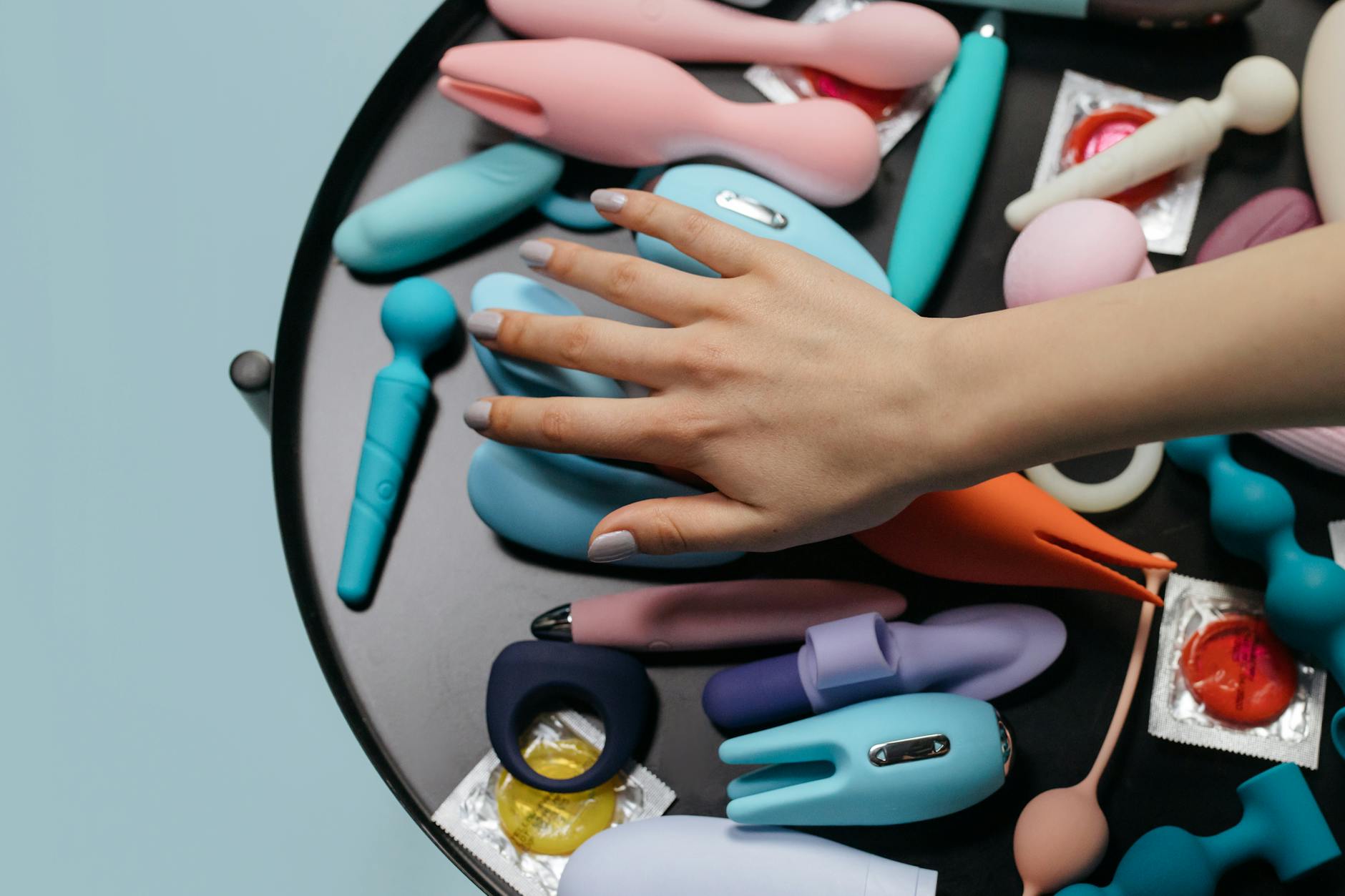
Here's the thing about vibrators and bodies
Not every lemon vibrator works for every person. I know that's not what the marketing promises, but it's true. Your clitoral anatomy, where you sit on the sensitivity spectrum, and what kind of stimulation actually builds your pleasure are all different from someone else's. That's not broken. That's normal.
Most people spend years guessing what they want instead of actually knowing. This post is how to skip that part.
What your clitoral anatomy actually determines
Your external clitoral anatomy varies. Some people have a clitoris that sits more protected under the hood. Others have one that's more exposed. Some have a wider vestibule (the area between your inner labia). None of that is abnormal, but it changes which vibrator actually makes sense for you.
If your clitoris sits deep under the hood, a broad, blunt vibrator like the Lem works better than a sharp point. If your clitoris is more exposed and sensitive, you might prefer something with a smaller contact surface or one that lets you control the exact angle. If you have a wider vulva or more prominent inner labia, you need a vibrator that doesn't get lost in the anatomy. A vibrator that's too narrow will miss entirely. One that's too broad might stimulate everything except what you actually want.
The suction design of a lemon clitoral vibrator works because it draws tissue up and into the device, so exact positioning matters less. But even then, the external shape changes how comfortable it is to hold and how well it nestles against your body.
Sensitivity type one: the numb and heavy
You might be here because of antidepressants, hormone changes, or years of numbness you didn't realize was happening. Your threshold is high. Gentle vibration does nothing.
For you, the Lem is a smart choice. Suction stimulation works through a different pathway than vibration alone. It wakes up nerve endings that regular buzz doesn't reach. Start at pattern one and work up slowly, even though your instinct will be to jump to the strongest setting.
Avoid micro-vibrators or anything that requires precision positioning. You need broad, sustained stimulation. Silicone toys designed for suction hold their shape and create better seal than softer materials.
Sensitivity type two: the easily overstimulated
You can feel everything. Too much stimulation too fast burns you out. Numbness isn't your problem. Information overload is.
You actually want pattern variety over raw power. The Lem's different patterns give you options to shift when one starts feeling like too much. Suction also feels less jackhammer-like than vibration, which helps you stay in the experience longer without fatigue. The rounded contact surface spreads sensation across a broader area instead of concentrating it at one point.
Timing matters for you. Shorter sessions (10-15 minutes) are often better than marathon sessions. And you probably benefit from longer warm-up time with a partner or longer foreplay with yourself.
Sensitivity type three: the variable
Your sensitivity shifts with your cycle, stress, whether you've had enough sleep, or sometimes for reasons you can't even identify. One week the same vibrator feels perfect. Next week it feels wrong.
You need a vibrator with pattern variation and intensity range. Don't go for the smallest or biggest option. Something mid-range lets you dial up or down depending on the day. Multiple patterns mean you can switch when your body signals it's had enough of one kind of input.
If this is you, keep a lemon vibrator but also consider having a secondary option (like the Berri) for days when you want something different. That's not failure. That's intelligent self-knowledge.
Body position preferences matter more than you think
Some people lie on their back during solo time. Others stand, sit, lie on their stomach. That changes everything about which vibrator is actually comfortable.
If you're mostly on your back, you can use something that requires two hands or a vibrator that's heavier and needs to be held at a specific angle. If you like to move around or use your hands for something else, you need something lighter and self-supporting, or something a partner can control (like a remote option).
The Lem sits well in your hand whether you're vertical or horizontal. It's weighted properly that it won't slip or require constant gripping. That's not accidental design.
Partner play versus solo is a different animal
When you're alone, you control speed, pressure, and when things change. When a partner is involved, there's negotiation. A vibrator that's great for solo time might be awkward with someone else in the picture.
For partnered use, you want something your partner can reach comfortably from their position. You want something they can hold steady without their hand cramping. You want something the two of you can see and communicate about without weird angles or obstruction.
Lemon clitoral vibrators are small and maneuverable enough for partnered use. But if your partner struggles with fine motor control or you need larger grips, that matters. If you want your partner to be hands-free sometimes, a remote option like the Pixie changes the dynamic entirely.
The frequency and pattern question
Vibrators operate at different frequencies. Some are low and rumbly. Others are high and buzzy. That's not better or worse. It's preference and physiology.
High frequency (4000+ Hz) vibration travels through tissue shallowly and tends to create that buzzy feeling. It's great if you want surface-level stimulation or if deeper pressure makes you uncomfortable. Low frequency (50-200 Hz) penetrates deeper and feels more sustained. It's often better if you want to feel the vibration throughout your pelvic floor, not just on the surface.
The Lem combines suction with vibration, which gives you pattern variety without relying only on frequency. That's a real advantage if you're tired of guessing what buzz rate will work.
What about allergies and material sensitivity
If you have sensitive skin or dermatitis, the material of your vibrator matters as much as the sensation. Medical-grade silicone is non-porous, hypoallergenic, and easy to clean. Glass and stainless steel are non-porous and naturally inert. TPE or jelly materials are porous, harbor bacteria even after cleaning, and irritate sensitive skin.
Most Hello Nancy vibrators are silicone. That means you can use water-based lubricant without worry. You can clean them with warm soapy water and actually trust they're clean. If you have vulval dermatitis or skin reactivity, that alone might be your deciding factor.
Size, grip, and hand comfort
A vibrator you can't hold comfortably for 15 minutes is a vibrator you'll avoid using. If you have arthritis, a weak grip, or smaller hands, a smaller vibrator with an ergonomic handle makes the difference between regular use and something that collects dust.
The Lem is compact without being tiny. It sits well in most hand sizes. If you have larger hands and feel like everything is a little too delicate, you're not broken. You might just prefer something with a wider grip area or heavier weight.
Try holding the device for a minute before buying if you can. Does your hand cramp? Does your forearm feel strained? That's real information.
Budget and longevity
Expensive doesn't always mean better, but cheap vibrators break, die, and leak battery acid. A mid-range lemon sucker that lasts three years is actually cheaper than replacing a $30 vibrator twice. Build quality, battery type, and warranty matter.
Hello Nancy's devices are built for longevity. That's not marketing. It's the difference between something you use and something you buy out of guilt and abandon.
How to actually test before committing
If you can, hold it in your hand. Does the weight feel right? Does the size look like it will actually fit your body? Is the noise level something you can live with? A vibrator that sounds like a lawnmower might technically work, but you won't use it if you're self-conscious about sound.
Read reviews from people who describe their body and sensitivity level, not just people raving about features. Someone with a sensitive vulva using a toy designed for numb tissue will have a wildly different experience than the toy's actual strengths.
Consider where you are in your cycle or life stage. How lemon vibrators feel different during different phases of your cycle can change what works week to week. If estrogen has dropped and your sensitivity has shifted, the vibrator you bought five years ago might need upgrading.
When to ask for help
If you've tried vibrators and nothing clicks, that's worth exploring with someone who knows bodies and pleasure. A sex-positive gynecologist or therapist can actually look and help you understand your anatomy, not guess. If you're stuck on what to try next, that's what we're here for. Contact Hello Nancy and let's figure out what actually works for you.
Your pleasure deserves attention, not chance. The right lemon vibrator or clitoral vibrator isn't the one that works for everyone. It's the one that works for you.
FAQ
What's the difference between suction vibrators and regular vibrators for different body types?
Suction vibrators like the Lem create stimulation through gentle pulling and releasing, while traditional vibrators rely purely on buzzing motion. For people with protected clitorises or those who find direct vibration numbing, suction stimulation wakes up different nerve pathways. It also creates broader stimulation across a wider area, which works better for vulvas with different anatomy. Regular vibrators give you more precision if you have a very sensitive or exposed clitoris. Suction tends to be more forgiving for position changes and less dependent on exact angle.
Can I use the same lemon clitoral vibrator if my sensitivity changes?
Absolutely. The beauty of a vibrator with multiple patterns is that as your sensitivity shifts, you have options. If you notice numbness creeping in, try lower patterns first. If you're overstimulated easily, switch to gentler patterns or shorter sessions. Your body isn't broken. It's just telling you it needs something different than it did last month. If the vibrator truly stops working after years of use, that's when you might consider upgrading, but most changes can be solved by adjusting how you use what you have.
Are lemon vibrators good for beginners with no experience?
Yes, but it depends on your body. If you're a beginner with low sensitivity or numbness, the Lem is genuinely easier to start with than a traditional vibrator because suction feels less aggressive. If you're a beginner who's easily overstimulated, you want something with good pattern variety and lower baseline intensity. Start at pattern one, not the strongest setting. Give yourself permission to explore slowly. Many people who think vibrators "don't work" just never used the right one at the right intensity.
How do I know if a vibrator is too small or too large for my body?
Too small and it'll miss the area you're trying to stimulate or fall out of position constantly. You'll feel frustrated because the vibration is there, but it's not where you need it. Too large and it won't fit comfortably, might press awkwardly on your pubic bone, or stimulate everything except what you actually want. Hold it before buying if you can. Does it look proportional to your vulva? Can you position it without weird contortions? Those are your real tests, not whether it looks aesthetically pleasing.
What if I have genital sensitivity or skin conditions?
Material matters more than anything else. Medical-grade silicone is hypoallergenic and non-porous, meaning bacteria don't hide in it and it won't irritate dermatitis-prone skin. Avoid jelly, TPE, or unspecified plastic. Use water-based lube only with silicone toys (silicone lubes degrade silicone). Wash with warm soapy water after every use and actually dry it. If your skin is reactive, a body-safe lemon vibrator from Hello Nancy is worth the investment because you know what you're putting against your skin. For more detailed guidance on sensitive skin, lemon vibrators for vulva owners with dermatitis and sensitive skin covers this in depth.
Does the strength or noise level vary between different lemon vibrators?
Yes. Different models have different decibel levels, intensity ranges, and pattern varieties. The Lem runs quietly by vibrator standards. If sound is a concern for you (shared housing, thin walls, or just preference), that's worth checking specs on. Intensity also varies. Some people can handle the strongest setting on any device. Others find mid-range settings completely sufficient. Read reviews from people describing their own sensitivity threshold, not just people saying "it's powerful."
Can a partner use a lemon vibrator on me if they struggle with coordination or grip strength?
It depends on the vibrator. Smaller, lighter devices can be hard for someone with limited grip strength or coordination issues to control without cramping. Heavier devices with thicker handles might actually be easier to hold steady. If this is your situation, talk to your partner about what feels manageable in their hand. You might also consider a remote-controlled option so they can focus on positioning while you control intensity, or a vibrator designed to be held in position without constant pressure. Communication about this is way better than silently white-knuckling it.
Your body, your choice
The right lemon clitoral vibrator is the one that matches your anatomy, sensitivity, and what actually brings you pleasure. Not what the marketing promises. Not what worked for your friend. What works for you. If you're unsure where to start, contact Hello Nancy and let's figure out what's actually worth your time and money.