The estrogen question nobody asks about pleasure
Here's what actually happens when estrogen drops. Your vulvar tissue gets thinner. Blood flow slows. The clitoral glans becomes more sensitive to direct pressure but less responsive to sustained rubbing friction. And because the tissue is literally less plump, the angle of stimulation that used to feel amazing suddenly feels too sharp.
That's not a sign you're broken. It's a sign your nervous system needs a different tool.
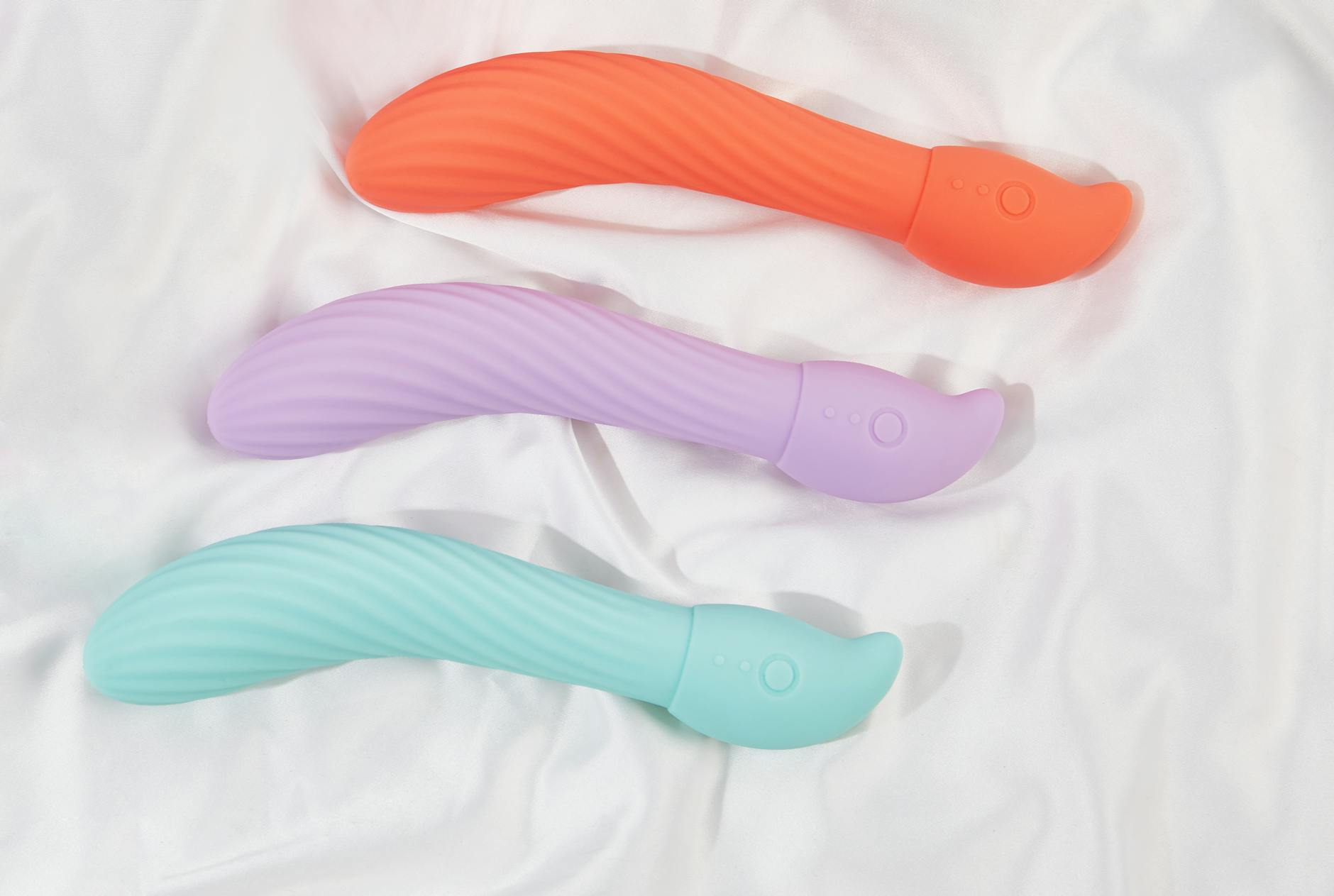 Photo by IFONNX Toys on Pexels
Why friction-based vibrators stop working the way they used to
Most vibrators (wands, bullets, traditional clitoral vibrators) rely on direct mechanical vibration. When tissue is plump and well-lubricated, that friction creates stimulation through the layers of your skin. But when estrogen drops and tissue thins, that same friction becomes abrasive. You can feel the vibration, but it lands wrong. It's like the difference between someone's fingertip tracing your arm versus someone dragging their nail across it.
You end up either going numb (because you're turning up the intensity to compensate) or feeling overstimulated (because even low settings feel too harsh). Neither is sustainable.
This is where lemon clitoral vibrators change the game. They work differently.
How suction-based stimulation works with thinner tissue
A lemon vibrator doesn't vibrate directly against your skin. Instead, it creates a gentle suction that pulls your clitoral tissue into the device and then releases it rhythmically. That suction-and-release pattern stimulates the entire nerve cluster without relying on surface friction.
Think of it this way. A traditional vibrator is drumming on your door. A lemon sexual toy is gently opening and closing your hand around the same pressure point. One needs the door to be sturdy. The other works regardless of how the wood feels.
For people with thinning vulvar tissue, this matters wildly. The suction bypasses the sensitivity issue entirely. You're not dependent on tissue thickness or lubrication layer depth. The stimulation is coming from a different mechanism entirely.
The secondary benefit nobody mentions: targeted depth
When you use a traditional clitoral vibrator on thinning tissue, you're basically making a bet that the vibration frequency will match your nerve response that day. Some days it does. Some days you adjust, adjust, adjust, and still nothing clicks.
A lemon suction toy works deeper. It engages not just the external clitoral glans but also the internal branches of the clitoral network that extends into your body. When external tissue gets thinner, that internal pathway often becomes more responsive, not less.
Many people find that a lemon clitoral vibrator produces stronger, longer orgasms after estrogen shifts specifically because it's accessing nerve endings that friction-based stimulation never quite reached. The sensation isn't just different. It's often better.
Adjusting intensity without overstimulation
Here's a practical thing I notice with my clients. When someone switches from a vibrator to a lemon toy, they almost always set it to a lower intensity level initially. Not because the toy is stronger. Because it's working.
With a friction-based toy, you might need level 5 or 6 to feel anything. With suction-based stimulation on thinning tissue, level 1 or 2 often produces noticeable sensation. This matters because it gives you way more room to explore before hitting overstimulation.
Start with the lowest pattern. Let yourself actually feel the sensation for a few minutes before turning it up. Most people find their sweet spot somewhere in the middle range, which means you're never at the ceiling of the device's capabilities. That's the opposite of how friction vibrators feel when tissue changes.
The lubrication conversation shifts too
With traditional vibrators on delicate tissue, you need serious lubrication to prevent discomfort. That's annoying, it's slippery, and it requires constant reapplication.
With a lemon suction toy, lubrication is helpful but not essential for comfort. Some light water-based lube can enhance the sensation (it helps the suction cup seal better), but you're not dependent on it the way you are with a vibrator pushing directly against your skin.
This is actually liberating if you're someone whose body doesn't produce as much natural lubrication anymore, or if you prefer not to use it. The device adapts to your body's actual state instead of demanding a workaround.
The partner conversation becomes simpler
When you're using a traditional vibrator that requires constant adjustment, your partner often feels like they're in the way. You're concentrating on the toy, the intensity, the angle. It becomes a tool you use instead of something you do together.
Because suction-based lemon vibrators work more intuitively with your body's actual response, the adjustment period is shorter. You find your rhythm faster. Your partner can engage more naturally without feeling like they're troubleshooting your pleasure.
If you're navigating how lemon vibrators improve sensitivity in long-term partnerships, this ease of use becomes the actual reconnection point. Less friction (literal and emotional) means more room for presence.
When to consider other adjustments alongside a new toy
A lemon clitoral vibrator handles the mechanical part beautifully. But estrogen changes often come with other shifts that matter too. If you're experiencing pain rather than just sensation change, how to use lemon vibrators during recovery from pelvic floor trauma walks through what that looks like.
Similarly, if sensation numbness is your main issue, that's sometimes a different puzzle than tissue thinning. A suction toy helps, but so does understanding what's actually driving the numbness in your specific situation.
The point is. A lemon suction toy isn't a band-aid. It's a tool designed for how your body actually works now. But it works best when you're also honest about what else might need attention.
The orgasm quality question (yes, it often improves)
I know this sounds like marketing speak, but I'm going to say it because my clients say it consistently. Many people report that their first orgasms with a lemon sexual toy after estrogen shifts are significantly more intense than what they'd been experiencing with traditional vibrators.
Why. The suction mechanism engages more of your clitoral network at once. You're not just stimulating the visible part. You're creating a rhythm that the internal branches respond to. That broader engagement often produces fuller, longer-lasting contractions.
You might also notice that the sensation feels less numb and sharper at the same time. That's not a contradiction. It's what happens when stimulation is actually reaching your nerves effectively instead of just buzzing across the surface.
A practical first week with a new toy
If you're switching from a friction vibrator to a lemon clitoral vibrator for the first time after estrogen changes, here's what I usually recommend. Spend the first session just exploring. Low intensity. Plenty of time. Let your body learn what suction feels like. It's genuinely different, and your nervous system needs a minute to register the sensation accurately.
Second session, you can start experimenting with intensity levels and patterns. Third session forward, you're usually finding your actual rhythm instead of compensating for a tool that doesn't fit your body anymore.
Don't judge the toy based on session one. You're comparing it to a tool you've used for years. A lemon toy works differently, and that difference is the point.
FAQ: How lemon vibrators adapt to estrogen changes
Do lemon vibrators work if you're already numb from other vibrators?
Maybe. If numbness came from overusing a traditional vibrator, switching to suction-based stimulation with a lower intensity starting point can help your tissue recover sensitivity. But if numbness is coming from medication, nerve damage, or severe atrophy, you might need topical estrogen or other interventions first. Either way, it's worth trying a lemon toy on the lowest settings, but don't expect it to fix numbness that has a root cause beyond stimulation method.
How does tissue thinning actually affect suction toys versus vibrators?
Thinning tissue gets irritated faster by direct friction. Suction works differently because it's not relying on friction between the toy surface and your skin. It's creating a pressure differential that pulls tissue into the device. That mechanism works equally well regardless of tissue thickness. If anything, it works better on thinner tissue because there's less cushioning, so you feel the suction more directly.
Will a lemon clitoral vibrator hurt if I have atrophy?
Not if you start on a low intensity and use some water-based lube. The suction itself shouldn't cause pain because it's not abrasive. But if you have significant vaginal atrophy or genitourinary syndrome of menopause, you might benefit from topical estrogen cream for a few weeks before introducing any toy. Talk to your doctor. Then, when you're ready, a lemon toy is usually gentler to start with than a traditional vibrator because you can keep the intensity genuinely low without losing sensation.
Can you use a lemon vibrator if you're on hormone therapy?
Absolutely. In fact, people on estrogen therapy sometimes find that lemon vibrators become noticeably more pleasurable as their tissue rebuilds. The toy doesn't interact with hormones directly. It just responds to how your tissue is currently shaped and sensitive. As that changes, the sensation might actually improve over time.
Do you need to use lube with a lemon clitoral vibrator?
Not necessarily. Some people prefer a tiny amount of water-based lube for comfort or to enhance the suction seal. Others find that their body's natural lubrication (even if it's less than it used to be) is enough. Start without and add lube if you want more glide or comfort. The toy is designed to work both ways.
How long does it take to adjust to a different stimulation method?
Most people adjust within one to three sessions. Your nervous system learns what suction feels like pretty quickly, especially if you're already familiar with vibration. By session two or three, you usually know whether the toy is working for you or not. Don't judge on session one. The sensation is genuinely different, and your brain needs a moment to integrate that.
The bigger picture
Estrogen shapes your body. It's not poetic. It's just mechanics. When it drops, the tissue, the blood flow, the response patterns all shift. Using a tool designed for the body you used to have is like wearing shoes two sizes too small and wondering why walking hurts.
A lemon suction toy isn't magic. It's simply matched to your current anatomy and nerve sensitivity better than friction-based options are. That match is what makes pleasure feel possible again, not like you're forcing it.
Your pleasure changes when your body changes. That's not a problem to fix. It's information about what tool to use next.