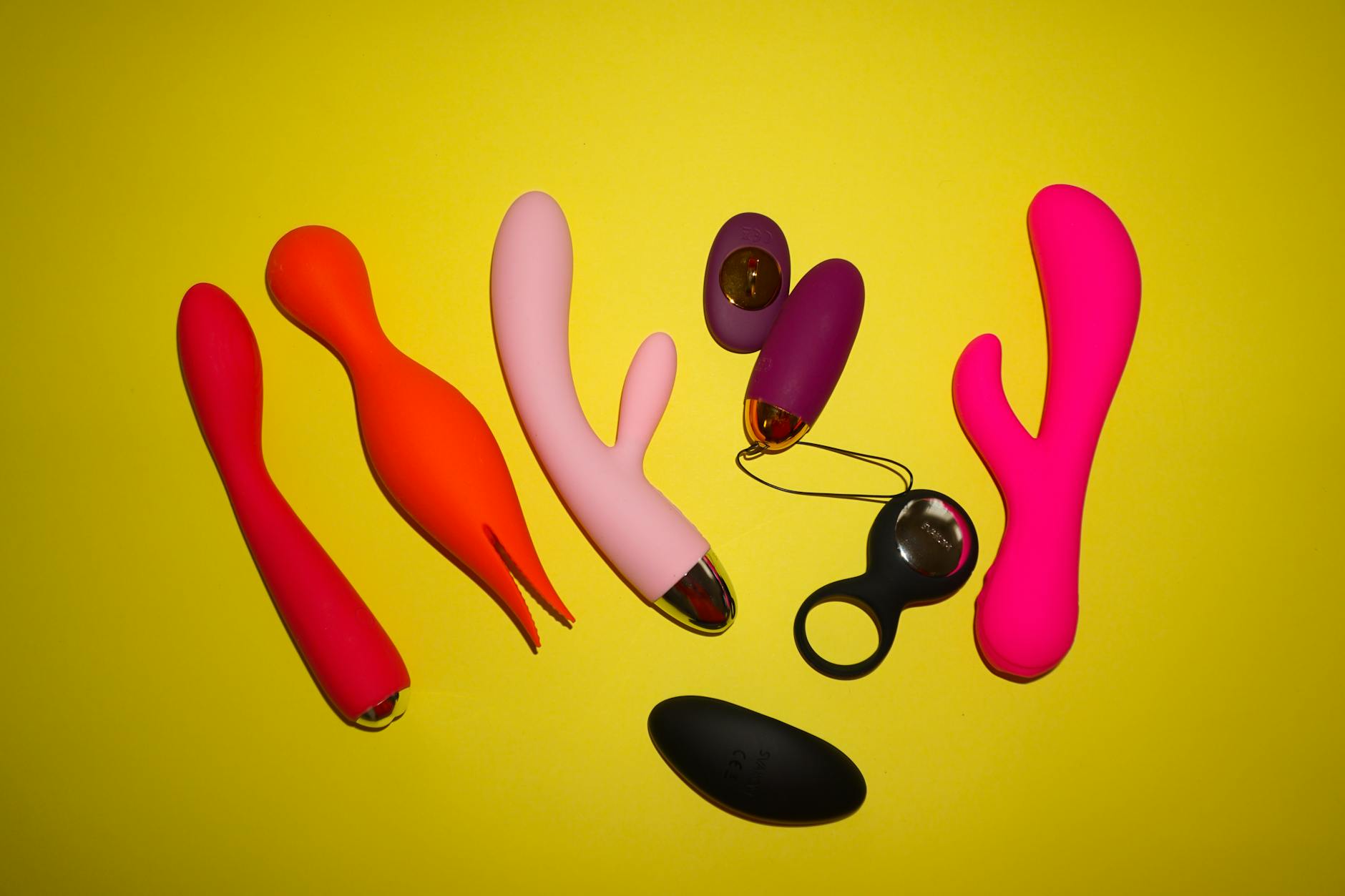
Here's what you need to know about toys and reactive skin
If you've got dermatitis, eczema, psoriasis, or generally reactive vulva skin, vibrators aren't off the table. They're just different. The usual advice about lube and hygiene still applies, but toy material, cleaning habits, and stimulation intensity become non-negotiable.
Sensitive skin around the vulva is wildly common. One in four people report it. And almost nobody talks about how it changes which toys actually feel good versus which ones trigger flare-ups for days.
Why material matters more than you think
Not all silicone is created equal. That's the first thing most people get wrong. Medical-grade silicone (often called "platinum-cure silicone") is non-porous and hypoallergenic. Cheaper silicone blends can harbor bacteria in microscopic fissures and may contain fillers that irritate reactive skin.
The same goes for coatings. Some lemon vibrators have a matte finish that sounds nice in marketing but actually traps moisture and dead skin cells, creating a perfect storm for yeast or bacterial overgrowth. Smooth, glossy finishes are actually better for sensitive skin because they shed debris easily and dry faster.
Here's the hierarchy of materials for reactive skin:
Best: Medical-grade silicone (non-porous, FDA-approved, hypoallergenic). This is the baseline for Hello Nancy's lemon clitoral vibrator designs.
Good: Glass or stainless steel (non-porous, completely inert, won't absorb anything). Glass feels cold initially but warms to body temperature within seconds.
Avoid: PVC, jelly rubber, or mystery blends marketed as "silicone" without certification. These are porous and often contain phthalates or other irritants.
Also avoid: Toys with paint, glitter, or novelty coatings. They chip. Friction creates micro-tears in the coating. Reactive skin gets angry.
Why lemon vibrators work particularly well for sensitive skin
The suction-based stimulation in lemon vibrators creates a sealed chamber against your skin. This means two things: less direct friction (which is huge for dermatitis sufferers), and more concentrated stimulation without needing high intensity settings.
Traditional vibrators with direct contact can feel like light abrasion on reactive skin, especially during arousal when tissues are already swollen and more fragile. Lemon vibrators distribute pressure differently. The seal is gentle but effective, and you control how much suction you want.
Many clients with eczema or dermatitis tell me that lemon vibrators actually reduce their flare-ups compared to other toys because there's less physical rubbing involved. The stimulation is almost entirely from the pulse pattern, not friction.
The cleaning protocol that prevents irritation
This is where most people slip up. You can't just rinse a lemon vibrator under warm water and call it clean. Bacteria and yeast thrive in moisture that sits on the device surface.
After each use:
-
Rinse under warm (not hot) water with an unscented hand soap or dedicated toy cleaner. Avoid antibacterial soaps. They disrupt the healthy bacteria balance on your skin and can leave residue.
-
Dry immediately with a clean, lint-free cloth. Don't air-dry. Moisture lingering on the surface breeds bacteria.
-
Store in a breathable container (not a sealed plastic case). Moisture trapped in a case creates mold conditions.
Once weekly:
-
Soak the lemon vibrator in warm water with a tiny drop of unscented dish soap for two minutes.
-
Scrub gently with a soft toothbrush, paying attention to crevices and the charging port area.
-
Rinse thoroughly under running water until you don't smell soap anymore.
-
Dry completely and store in a clean drawer or breathable bag.
Never use bleach, alcohol, or hydrogen peroxide on your toys. These strip the silicone's protective layer and make it more reactive to your skin. Same with dishwasher or boiling water—excessive heat degrades medical-grade silicone over time.
Lubrication that won't trigger flare-ups
Lube is essential when you have dermatitis, but the wrong kind creates a hostile environment for your skin. Your vulva's microbiome is delicate. Disrupting it opens the door to yeast, bacteria, and inflammation.
Use only:
Water-based lube with minimal additives. Look for brands that list ingredients clearly and avoid glycerin, parabens, nonoxynol-9, and perfumes. Glycerin specifically feeds yeast and can cause flare-ups within hours.
Organic coconut oil if you're not prone to yeast infections. Coconut has antifungal properties that can actually help prevent flare-ups. Test it on a patch of skin first. Some people are sensitive to it.
Avoid:
- Silicone-based lubes (they can degrade some toy materials, and they're harder to rinse off)
- Lubes with "warming" or "cooling" sensations (the additives causing those effects are often irritating)
- Store-brand generics with unlisted ingredients
- Anything scented or flavored
Apply lube generously. A thin coat isn't enough. A thick, wet layer reduces friction and lets the toy glide rather than drag.
Intensity settings and your reactive skin
When you have dermatitis or eczema, starting with lower intensity patterns isn't just nice. It's necessary. Your skin is already inflamed at the cellular level. Adding aggressive stimulation pushes it over the edge into a visible flare-up.
Most lemon vibrators have 8-12 intensity levels. Begin at levels 1-3 and spend time there. Your body will adapt, and you can increase intensity over weeks, not minutes. Rushing this creates irritation that can persist for days.
Pattern matters as much as intensity. Steady pulses are gentler than rapid stuttering patterns. If your device offers custom patterns, choose smoother rhythms over chaotic ones.
You might notice that your skin tolerates lemon vibrators better during certain phases of your cycle. During menstruation, tissues are more fragile. Just before ovulation, they're more resilient. This is normal. Adjust your expectations accordingly.
When to pause and see a dermatologist
If you notice redness, itching, or burning that lasts more than a few hours after use, pause. Don't assume you'll "adjust." Reactive skin doesn't usually adapt to irritants. It gets worse.
Schedule a dermatology appointment if flare-ups worsen or if you develop new symptoms like vaginal discharge, odor changes, or pain during urination. These signal bacterial or yeast overgrowth, not toy sensitivity. Your dermatologist might recommend a temporary break from toys while you treat the underlying infection.
Some people benefit from using a lemon vibrator only every other day rather than daily. Recovery time between sessions gives your skin a chance to rebalance. This is especially true if you're in the middle of a dermatitis flare-up.
Building a routine that works
Honestly, pleasure with sensitive skin requires more intentionality. You need to know your cleaning routine by heart. You need lube on hand. You need to read your body's signals instead of powering through discomfort.
But here's the thing: that intentionality often deepens pleasure. You're not on autopilot. You're paying attention to what feels good, what feels irritating, and what your skin actually needs. Most of my clients tell me that this attentiveness, once it becomes habit, transforms their entire relationship with their body.
Start with a medical-grade silicone lemon clitoral vibrator. Clean it properly after every use. Use water-based lube without glycerin. Begin at low intensity. Notice how your body responds over weeks, not days. Adjust as needed.
Your pleasure matters. So does your skin. They're not in conflict. You just need the right tools and the patience to use them well.