How to Use Lemon Vibrators When You're Rebuilding Intimacy After Relationship Conflict
Conflict doesn't kill desire. But it does build walls. After a fight, a cold week, or months of misalignment, touch becomes loaded. Your body braces. Your mind second-guesses. Even wanting each other again can feel risky because the last time things felt risky, it hurt.
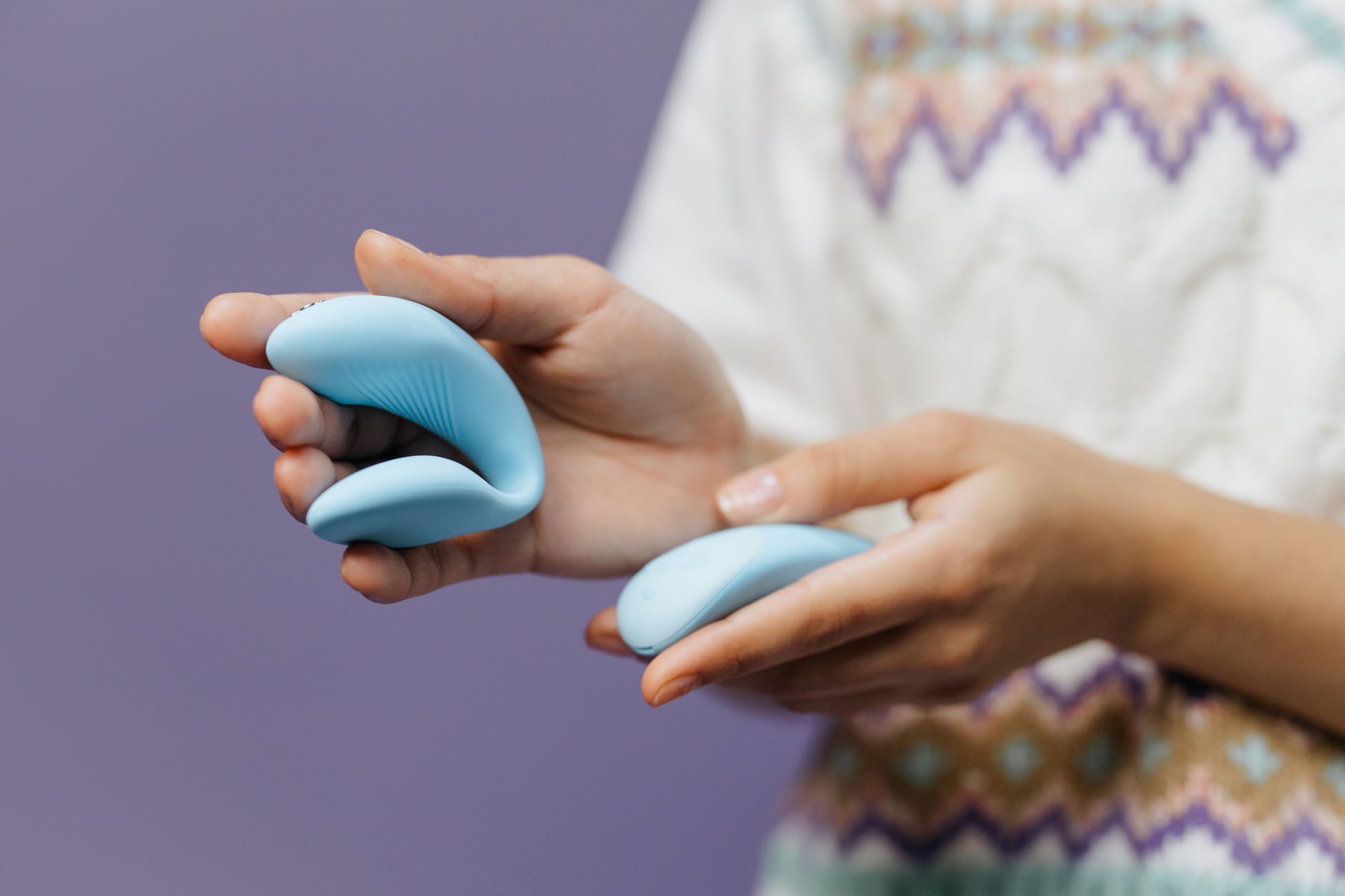
Here's what I tell couples in my office: rebuilding intimacy isn't about forcing sex or pretending nothing happened. It's about creating a pathway back to your own body first, then to each other. A lemon clitoral vibrator like the Lem can be that pathway. Not as a fix, but as a tool for rediscovery.
Why pleasure matters more after conflict than before
When you fight with a partner, your nervous system goes into protection mode. Cortisol rises. Blood flow to the genitals drops. Your body literally forgets how to respond to touch. This is survival physiology, not stubbornness.
Reactivating pleasure signals to your brain that it's safe again. Solo pleasure is actually the fastest way to do this because there's no performance pressure, no fear of rejection, no audience anxiety. You're alone. Your only job is to feel.
Once your nervous system learns that touch can feel good again, it becomes easier to let your partner touch you without flinching.
The solo rediscovery phase
Start alone. Not forever, but for a week or two while things are still tender.
Set aside 15 to 20 minutes when you won't be interrupted. Phone off. Bedroom locked if you share space with kids or roommates. The goal isn't orgasm. The goal is sensation.
With a lemon vibrator like the Lem, you have three advantages:
First, air-suction stimulation doesn't require emotional presence. Unlike penetration or manual touch, suction works through gentle pulse patterns that your body responds to automatically. Your brain doesn't have to "participate" the way it does with fingers or penis. This matters when you're still guarded.
Second, you control the intensity entirely. Start on pattern 1 or 2. Most people recovering from relational tension find that lower settings feel less triggering than vibration. The Lem's suction design lets you build arousal gradually without overwhelming your nervous system.
Third, it's private. Even if your partner knows you're using a toy, they're not watching. They're not waiting for you to finish. There's zero pressure. That freedom is where the actual healing happens.
During this phase, notice what patterns feel good. What speeds. Where on the clitoris you prefer the stimulation. What you think about. Are there fantasies you want to explore? Visual content that helps? Do you prefer silence or sound?
This isn't frivolous. You're gathering intelligence about your own body so that when your partner is involved again, you have language for what actually works.
Moving from solo to partnered exploration
When you're both ready, the move from solo pleasure to shared pleasure doesn't have to happen all at once.
Start with presence without touch. You use the Lem alone while your partner is in the room. Not watching in a voyeuristic way, necessarily. Maybe you're both in bed, they're reading, you're exploring. They know what you're doing. You're not hiding.
This sounds small. It's not. You're saying without words: "I'm healing my own capacity for pleasure, and I'm letting you be here for it."
Then move to light partnership. Your partner holds the Lem while you guide them. You're in control of placement and pressure, but they're handling the device. This restores a specific kind of cooperation. You're not making them responsible for your pleasure, but you're inviting them into the process.
When lemon clitoral vibrators are involved, this works smoothly because the Lem is cordless and intuitive. Your partner doesn't have to think about controls. They can focus on your breathing, your cues, your face.
After that, you can move toward mutual pleasure. They use the Lem on you while you touch them. Or you use it solo while they're inside you. Or you take turns being the focus.
The point is: there are stepping stones. You don't jump from "we're not touching" to "full sex." You build trust back in small, deliberate stages.
Conversations you'll need to have
None of this works without talking. And not abstract talking. Specific, in-the-moment talking.
"I want to rebuild this, and I'm scared" is different than "Can we try to be intimate again?" The first one tells your partner what's true. The second one is a request without context.
Before you start using the Lem together, tell your partner:
- What you need from them (presence, no pressure, patience)
- What turns you on now (this might have shifted)
- What still feels tender and why
- What you want the next three months to look like
Then, during the actual process, keep checking in. "That feels good." "Can we slow down?" "I like when you..." Small confirmations that you're both still here, still trying.
If you feel flooded or scared during sex, pause. You can restart later. Pushing through re-traumatizes the nervous system. It does the opposite of what you want.
When one partner is more ready than the other
Here's a real scenario: one of you wants to rebuild intimacy faster than the other. One of you is hurt. One of you is just tired.
This is where the Lem becomes a tool for patience. The partner who's less ready can explore solo without the other person feeling rejected. The partner who's more ready can understand that their slower partner isn't refusing them. They're healing.
You're not on the same timeline, and that's okay. You're on the same path, though. That matters.
If this continues beyond a few months, couples therapy is worth considering. Sometimes conflict reveals deeper incompatibilities. Sometimes it just reveals that you both need help reattaching. Either way, professional support is useful.
The physical realities of rebuilding
After conflict, you might notice your body doesn't respond the way it did before. Arousal takes longer. Orgasm feels distant. Lubrication is less abundant.
All of this is normal post-tension physiology. Your body isn't broken. It's cautious.
Water-based lubricant helps. So does longer foreplay. So does the Lem's air-suction design, which creates sensation without friction and works well when your body is still hesitant to fully open.
Don't rush this phase. The point isn't to have sex again. The point is to rebuild trust with your own nervous system and your partner's touch.
What happens when rebuilding actually works
If you do this right, something shifts. Your partner becomes safe again. Touch stops feeling risky. Pleasure stops feeling loaded with past hurt.
Most couples who rebuild intimacy intentionally report that sex is better afterward than before the conflict. Not because the conflict was good. But because they had to get intentional about desire, about communication, about what actually turns them on.
The Lem isn't magic. But it does create a container where both of you can practice being present and generous toward each other's pleasure. That's what rebuilds intimacy.
FAQ: Rebuilding Intimacy With Lemon Vibrators
How long does it usually take to rebuild intimacy after a major fight?
There's no universal timeline, but I typically see couples regaining physical comfort within two to four weeks if they're actively working on it. Full emotional trust can take months. Go at the pace that feels genuine, not the pace that feels "right." If you're forcing it, your nervous system knows.
Can using a lemon vibrator alone feel like cheating if I'm in a relationship?
No. Solo pleasure is part of a healthy sexual life, even in committed partnerships. It's not a replacement for partnered sex. It's a maintenance tool for your own desire and a resource during conflict. Most partners appreciate knowing you're rebuilding your own capacity rather than waiting for them to fix it.
What if my partner feels insecure about the Lem?
This is worth addressing directly. Sometimes insecurity comes from not understanding what the toy does. Show them. Let them hold it. Explain that air-suction stimulation works differently than manual touch. Other times, insecurity is about deeper stuff: fear they're not enough, worry you'll prefer the toy. Have that conversation, not the toy conversation. The Lem is just a proxy for what's actually being said.
Is it okay to use a clitoral vibrator during partnered sex while rebuilding?
Completely okay. Many couples find it reduces performance pressure. You're focused on pleasure, not on whether they're doing it "right." If your partner is inside you, the Lem on your clitoris means you're more likely to orgasm, which means everyone's more relaxed. Relaxation is what rebuilds trust.
How do I know if we're actually healing or just going through the motions?
The real sign is when touch stops feeling like an obligation and starts feeling like a choice. When you want to be near your partner, not because you should, but because you actually want to. When you can laugh during sex again. That's healing.
Should we tell a therapist we're using a vibrator while rebuilding intimacy?
If you're in couples therapy, yes. It gives your therapist useful information about how you're moving through reconnection and what tools are helping. Some therapists will have thoughts about pace or approach. That's the point of having them in the room.
Rebuilding intimacy after conflict is slower work than building it the first time. But it's also deeper. You know each other now. You know what breaks and how to repair it. That knowledge changes everything.
If you're starting this process and want to understand more about how desire shifts in relationships, how to use lemon vibrators when desire feels mismatched with your partner covers the longer conversation. And if you're returning to intimacy after a long pause, how to use lemon vibrators when your body takes longer to warm up has specific physical strategies.
You've got this. Your body remembers how to feel good. Sometimes it just needs permission and patience.