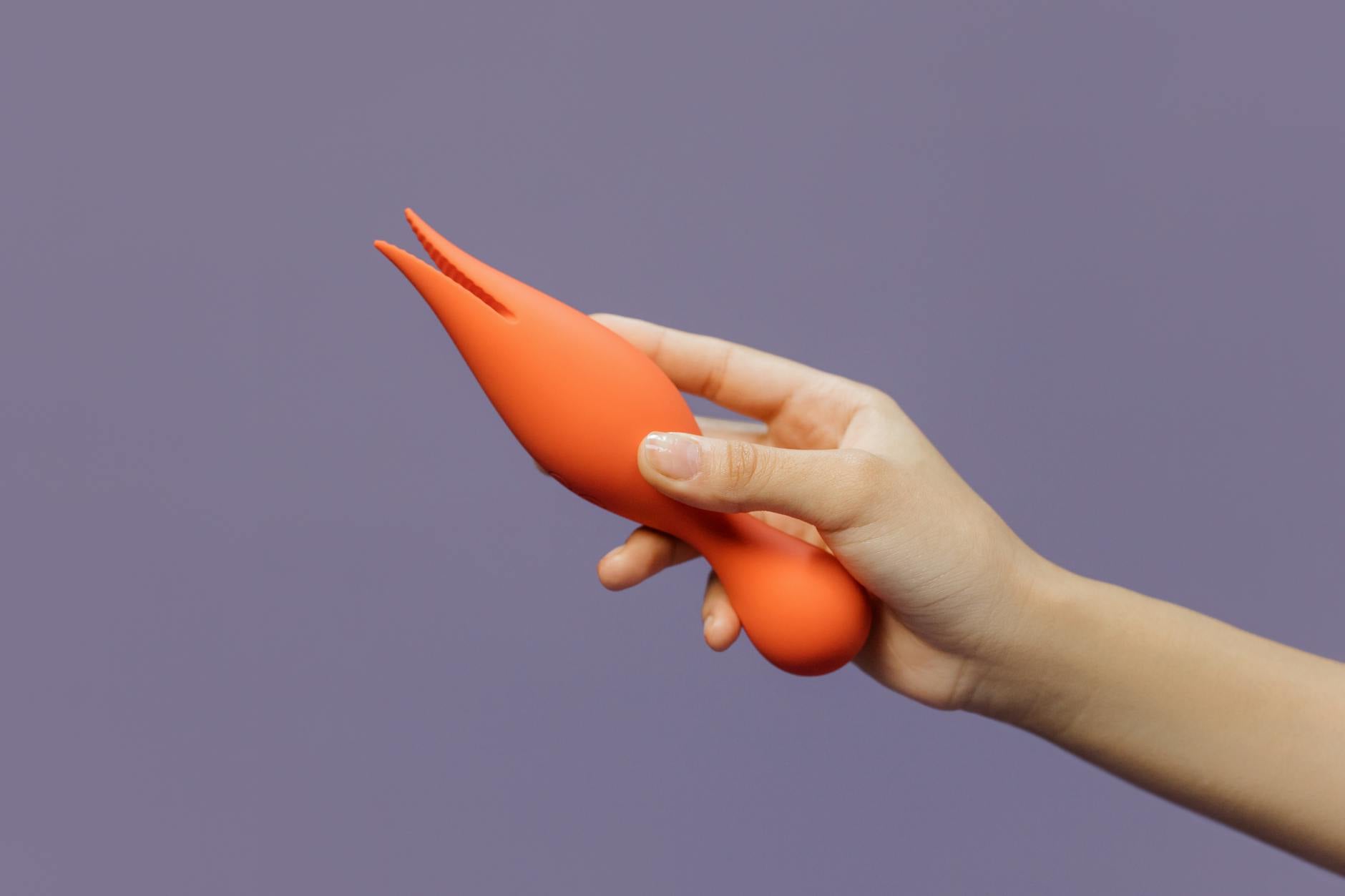
The shift nobody warns you about
Somewhere in your 40s, your skin gets thinner. Your nerve endings become denser and closer to the surface. What you could barely feel at 30 now registers as nearly overwhelming at 45. This isn't you getting "weird about sensation." This is biology.
The changes are real, measurable, and completely manageable once you understand what's happening. Most people assume increased sensitivity means lemon vibrators have stopped working for them. Actually, it means your technique needs to shift.
Why your sensitivity actually increases
Three major things happen to your skin and nerves as you move through your 40s.
Your epidermis thins. The outermost layer of skin that provides a buffer between nerve endings and direct stimulation gets thinner with age. Estrogen decline accelerates this (whether or not you're in menopause). That protective barrier is literally smaller, so vibrations feel more direct.
Your nerve density stays constant but shifts. You're not losing nerve endings in your clitoral tissue. But the collagen and elastin that cushion them deteriorate. The nerves are closer to the surface, firing more intensely when stimulated.
Your skin hydration changes. Drier tissue conducts sensation differently than well-hydrated tissue. A vibrator against dry skin feels sharper and more intense than against lubricated tissue. This is why lubrication suddenly matters more after 40.
The good news: this isn't damage. It's not a sign something is broken. You're experiencing heightened sensation, which can be profoundly pleasurable if you adjust your approach.
How lemon vibrators feel different now
If you've been using a lemon clitoral vibrator for years, you might notice:
Higher intensity settings feel almost too much now, even if pattern 3 was your reliable go-to at 35. The sensation has sharpened. Longer sessions cause a buzzy, almost numb feeling faster than they used to. Your body might register stimulation sooner, meaning arousal happens quicker but the window of comfort is narrower. That's not fatigue. That's heightened sensitivity reaching a saturation point more quickly.
None of this means you need a new toy. You need a new strategy.
The adjustment that works
Four changes to your technique will recalibrate the experience almost immediately.
Start lower than you think you need to. If pattern 2 was your sweet spot, begin at pattern 1. Let your nervous system wake up slowly. Most people find that after three to five minutes at a lower intensity, the initial "too much" feeling settles into exactly right. Your body adapts faster than you'd expect.
Layer lubrication like never before. Water-based lube isn't optional anymore. It's foundational. Apply generously. Reapply halfway through. A lemon sucker vibrator in particular benefits from continuous glide. The suction mechanism works better with consistent moisture, and lubrication dulls the intensity of vibration without reducing pleasure. This is the single biggest adjustment most people over 40 need to make.
Use indirect stimulation first. Instead of direct clitoral contact immediately, try the vibrator on the area around the clitoris. Side-to-side motion, broader pressure on the whole vulva, or hovering just above the clitoris gives you the sensation you want without the overwhelming intensity. Move to direct contact only after arousal is established.
Shorten your sessions. This sounds counterintuitive, but 8 to 12 minutes of focused, high-pleasure stimulation beats 25 minutes of pushing through discomfort. Your nervous system reaches saturation faster now. Work with that, not against it. Stopping at the peak of pleasure actually strengthens your orgasmic response over time.
The role of natural lubrication changes
Your body produces less natural lubrication after 40, especially if estrogen is shifting. This isn't about being "not turned on." It's a physical change in fluid production. The clitoral tissue itself is more sensitive partly because there's less natural cushioning.
Water-based lubricant serves a double purpose: it provides the physical glide that makes vibration feel smoother, and it creates a barrier between your most sensitive tissue and direct vibration intensity. Think of it as turning up pleasure while turning down harshness.
One insight from clients: many find that applying lube, waiting 30 seconds, then starting at pattern 1 creates the ideal sensation. The lube softens the initial "shock" of vibration, and starting low gives your nervous system time to calibrate.
When sensation shift signals something else
Increased sensitivity after 40 is normal. But there's a difference between heightened sensation and pain or discomfort that doesn't resolve with technique adjustments.
If you experience sharp, localized pain that persists, that's worth mentioning to a gynecologist. Genitourinary syndrome of menopause (GSM) can cause pain during stimulation. That's treatable, often with topical estrogen creams.
If the skin itself becomes irritated or develops a rash from vibrator contact, you might need a different toy material (medical-grade silicone is gentler than some plastics) or to reduce session length. Your skin's tolerance changes too.
But if it's just that sensation feels sharper and more intense? That's not a problem to solve. That's an upgrade to enjoy. How to use lemon vibrators when you need extra stimulation for orgasm covers the flip side of this same coin.
The bonus of heightened sensitivity
Here's something I tell most clients over 40: increased touch sensitivity is actually a gift you didn't ask for but absolutely get to use.
Your orgasms often become stronger, not weaker, because the nerves are firing more efficiently. The sensation that felt like "a lot" at first becomes just right once you stop fighting it. Many people report their most intense orgasms happen after 40, specifically because their nervous system has become more reactive and more precise.
The trick is respecting that change instead of resisting it. Your 45-year-old body isn't less responsive than your 35-year-old body. It's differently responsive. And if you adjust your technique accordingly, it's often more satisfying.
Partner communication during this shift
If you're with a partner, this is worth a straightforward conversation. "I've noticed my sensitivity has shifted. I'm enjoying starting at lower intensities and using more lubrication." That's enough. You don't need to pathologize it or apologize for it.
Some partners worry that increased sensitivity means their touch is less comfortable. It's the opposite. It usually means touch is more pleasurable when it's deliberate and well-lubricated. How to use lemon clitoral vibrators when you're in a new relationship explores how to integrate toys and sensitivity shifts when dynamics are still forming.
The actual practices that stick
Instead of seeing increased sensitivity as a problem, lean into it as information. Your body is telling you exactly what it needs now.
Keep lube within arm's reach. Always. Make it as normal as having a glass of water nearby. Start every session at pattern 1 or 2, even if you know you'll work up to pattern 4. Give your system time to adjust. Use indirect stimulation for the first half of arousal, direct stimulation for the climax phase. Notice the difference.
Most importantly, stop comparing your 45-year-old pleasure to your 30-year-old pleasure. They're not the same experience. They're often better. Sharper. More responsive. More interesting.
People also ask
Why does stimulation feel more intense after 40 if I'm not in menopause?
Menopause gets most of the attention, but skin changes happen independently of hormonal shifts. Collagen and elastin break down over time. Your epidermis gets thinner. Nerve clustering changes. These happen to everyone after 40, regardless of hormone levels. Menopause accelerates some of these changes, but even people with stable estrogen notice increased sensation in their 40s.
Can I use the same lemon clitoral vibrator I've been using, or do I need a different one?
You can absolutely keep using the same lemon vibrator. Your body changed, not your toy. The adjustment is technique, not equipment. Start lower, add more lubrication, use indirect contact first. That's usually all you need. If you've been using a toy with a very sharp intensity curve, you might enjoy something with more gradual pattern progression, but that's optional.
How long does it take to adjust to the new sensation?
Most people adapt within three to five sessions once they change their approach. Your nervous system is incredibly responsive. Once you stop fighting the intensity and instead work with it (by lowering the setting and adding lubrication), the sensation settles into "just right" pretty quickly. Full comfort usually arrives within two weeks of consistent practice.
Is increased sensitivity after 40 permanent?
Yes, the structural changes in your skin are permanent. But that's not a limitation. It's your new baseline. And your new baseline is often more pleasurable, not less. People adjust their expectations and find they prefer their 40-year-old sensation to their 30-year-old sensation once they're through the initial adjustment period.
Should I see a doctor if stimulation suddenly feels painful instead of intense?
If the sensation is sharp pain (not just intensity) that doesn't improve with technique adjustments, yes, mention it to your gynecologist. Pain and heightened pleasure are different. Pain during stimulation can signal GSM, skin irritation, or other treatable conditions. Intensity that requires a lower setting is normal aging. Pain that persists is worth professional input.
Can lubricant alone fix the overstimulation feeling?
Lubricant is essential, but usually not alone. Combining lubrication with a lower intensity setting and indirect contact in the early stages creates the right balance. Lube softens intensity, lower settings reduce power delivery, and indirect contact spreads stimulation more broadly. Together, they recalibrate the sensation from overwhelming to perfect.
Your body at 40 plus isn't broken. It's evolved. The pleasure you have access to now is different from pleasure at 25, and for most people, it's richer. Honor that shift and your experience shifts with it.