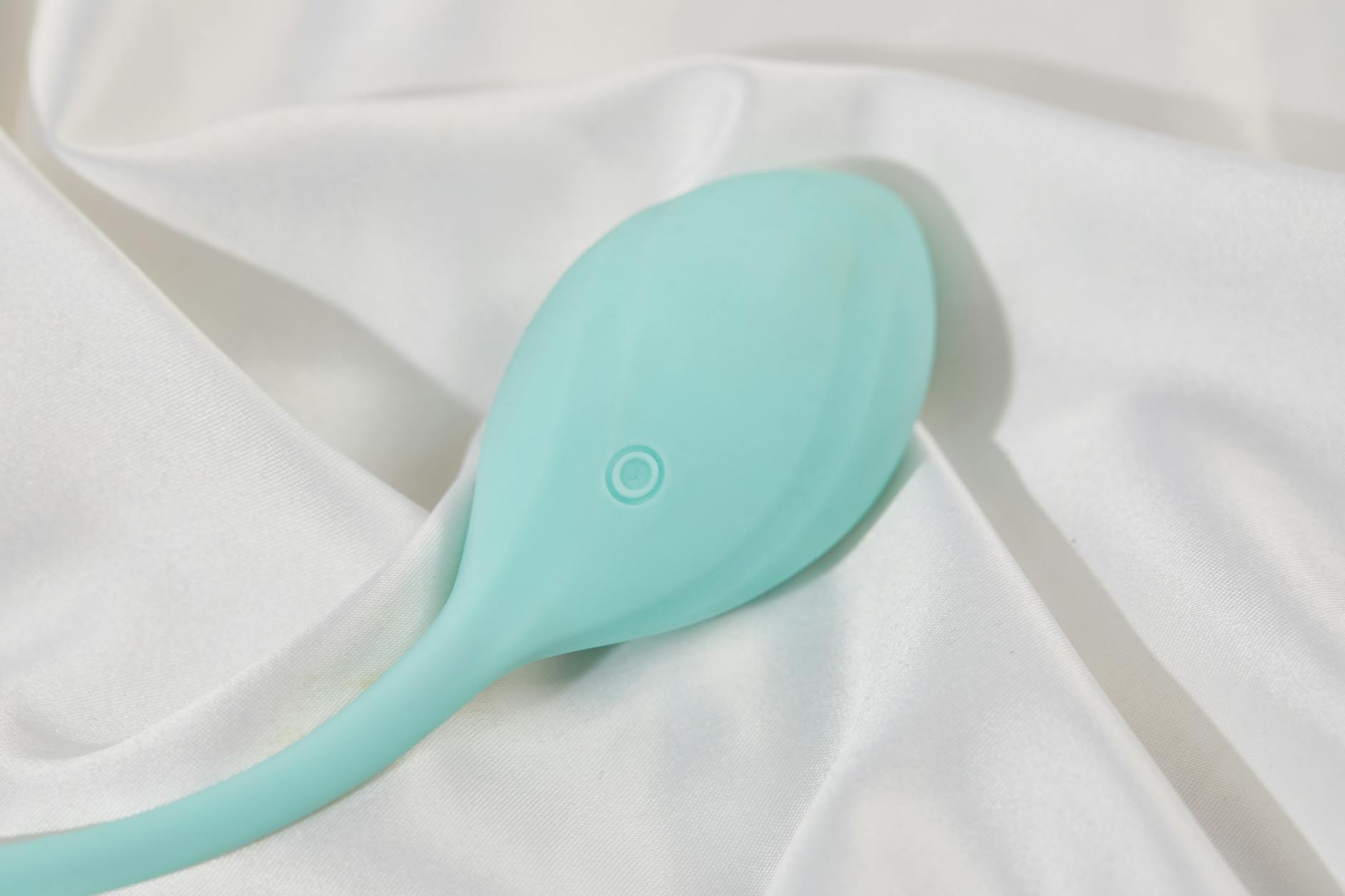
Let's talk about the timing
Honestly, the hardest part of introducing a clitoral vibrator in a new relationship isn't the vibrator. It's the story you've been told about what it means. Most people assume bringing toys into early dating sends a message: "You're not enough." That's backwards. What it actually says is: "I know what feels good to me, and I want you to be part of that."
That distinction matters because new relationships run on fragile confidence. Your partner is already wondering if they're doing this right. The last thing they need is ambiguity about whether a lemon vibrator is a tool or an indictment. So let's be specific about when and how this conversation actually works.
The window: weeks three to eight
There's a real sweet spot here. Before week three, you don't know if this person is worth introducing toys for. After week eight, the relationship has enough history that introducing a vibrator can feel like you've been hiding something. Weeks three to eight is when you've had enough sex to know it's good, but the relationship is still new enough that experimentation feels like part of the getting-to-know-you phase rather than a pivot.
Why those weeks matter: you've built enough trust that vulnerability won't be weaponized, but not so much that they've started making assumptions about what you want. You're still discovering each other. A lemon vibrator is just part of that discovery.
How to frame the conversation
Don't ask permission. That puts the power in the wrong place. Don't apologize. That signals shame. Instead, treat it like information.
"I want to use a clitoral vibrator when we're together. I know what feels good to me, and honestly, it gets me there faster. Wanna see?"
That's three sentences. It's confident without being defensive. It normalizes the tool. It opens the door for them to ask questions instead of shutting them down with apology.
The research backs this up. Partners respond better to a factual, positive framing than to either apologetic language ("I'm sorry, but...") or defensive language ("You should be fine with this because..."). You're not asking them to accept something. You're inviting them to participate in something that works for you.
Why a lemon vibrator makes this easier
Here's where specific tools matter. A lemon clitoral vibrator is smaller, less intimidating, and more obviously designed for one person's specific sensation than, say, a larger wand or an insertable toy. Because of the way suction technology works, there's no question about penetration. It's pure external clitoral stimulation. That clarity helps a lot.
The Lem vibrator, for instance, is only three inches long. It's elegant. It doesn't read as "equipment" in the way some toys do. For partners in that early-dating window, that matters. Smaller, simpler tools feel less like you're importing professional-grade gear into the bedroom and more like you're using a tool that's an extension of what your body needs.
Suction stimulation also often feels more connected than vibration alone. Because it's creating rhythm and pressure rather than pure buzz, partners often feel more involved in the experience. They can see what's happening. They can adjust the tempo. It becomes collaborative instead of solitary.
The conversation about why matters more than the tool
Your partner might ask, "Why do you need this?" Have an actual answer ready, and make it about sensation, not about them.
"Clitoral vibrators help me understand my own body better. When I orgasm with you using one, I feel more connected because I'm not distracted trying to get there manually." That's true for most people, and it's specific enough to feel like a real preference, not a rejection.
Or: "My sensitivity shifts depending on stress and my cycle. Sometimes direct manual stimulation is too intense. This gives me control over the intensity." Again, that's about you and your body, not about his performance.
If they push back with "I thought you liked how I do it," that's when you get clear: "I do. This isn't instead of that. It's different. Some nights I want your hands. Some nights I want this. You'll still be here the whole time."
The mistake most people make is treating the vibrator as a replacement or a solution to a problem with the partner. It's not. It's a preference about your own pleasure. Partners can accept a preference way more easily than they can accept implied criticism.
The first time using it together
Keep it simple. You don't need to turn it into an event. Have the toy in the nightstand. When you're already intimate and things are moving, say something like, "Want to try something?" and then use it. No big ceremony. No asking permission every step.
Let your partner watch. Let them see your face and your body responding. For most people, watching their partner experience real pleasure is the hottest part. If they want to help you hold it or adjust the angle, let them. Make it a physical collaboration.
Important: don't use the lemon vibrator or any clitoral vibrator as a substitute for the connection you're building. It should enhance the intimacy, not replace it. You're still touching them, still present, still responsive to them. The toy is just a tool that makes your pleasure more accessible.
What changes after the first time
Most partners relax once they see it in action. The anxiety is almost always based on the story they were telling themselves, not on the actual experience. Once they realize that you're still fully engaged with them, still aroused by them, still present, the vibrator becomes a normal part of your toolkit.
Some partners will want to use it on you. Some will want you to use it during penetration. Some will prefer that it stays solo. All of those are fine. This is the conversation to have after the first time, when you both have real experience instead of just fear.
One thing I see couples do that works well: establish a simple signal. In my practice, I've worked with partners who've said something like, "If I reach for the vibrator, that just means I need something different tonight. It's not about you." That kind of shorthand prevents resentment from building.
The deeper work: your own comfort
If you're nervous about introducing a lemon vibrator in early dating, part of that is legitimate. But part of it might be your own hesitation about owning your pleasure. That's worth examining.
Your pleasure isn't a luxury you have to earn or apologize for. It's part of being in an adult relationship. Partners who can't handle you knowing and communicating what feels good are giving you information about their own insecurity, not about you. That's important data.
If you'd like more structured help navigating pleasure and communication in new relationships, there's a lot of good research on how early conversations about desire actually strengthen long-term connection.
Know what you're working with
Before you introduce the conversation, spend some time alone with the vibrator. Know how it feels. Know what patterns work for you. Know what intensity feels best. That confidence translates. When you can say, "I like it on pattern two," instead of "Um, let's see..." you're communicating mastery, not uncertainty.
Read the care guide. Know whether it's waterproof. Know how long the battery lasts. Know if you need lube with it (you don't, but knowing that you don't is useful information). That kind of practical knowledge makes the whole thing feel less like a gamble and more like a choice you've made intentionally.
One more thing about vulnerability
Introducing a vibrator into a new relationship is an act of vulnerability. You're saying, "Here's part of how I experience pleasure. I trust you enough to let you see it." That's real. Some partners will meet that vulnerability with their own openness. Some will take a minute. A few won't be ready.
If someone responds to your straightforward introduction of a lemon clitoral vibrator with shame, defensiveness, or contempt, that tells you something about whether they're ready for an adult relationship. It's not a flaw in you for knowing what you want. It's information about them.
The right partner will be curious. They'll ask questions. They might feel a little insecure at first and then get over it. They might even become enthusiastic about helping you experience different sensations. That's the baseline for someone worth sleeping with.
FAQ
How early is too early to bring this up in dating?
If you're not having sex yet, you're definitely too early. Once sex is established and it's been a few good experiences, week three onwards is fair game. There's no universal "right time," but waiting until month four or five can actually feel weirder, like you've been hiding something.
What if my partner thinks I'm using the vibrator because they're not enough?
That's their story, not your story. You can reassure them, but you don't need to convince them that their insecurity is unfounded. You can say: "I actually love having sex with you. This is about my body, not about your performance. We're still going to have lots of sex without it too." After that, the ball is in their court to manage their own feelings.
Is it weird to use a lemon vibrator during sex with a partner?
Not at all. External clitoral stimulation during penetrative sex is one of the most common ways people orgasm with a partner. Using a lemon vibrator or any clitoral vibrator during sex is totally normal and actually makes orgasm during partner sex more likely for people who need clitoral stimulation.
What if they want to use it on me but I prefer using it myself?
Then say that. "I like having the control. But I love that you want to help. Can you do X instead?" and redirect them to something that feels good. You get to set the terms for your own body. Your comfort matters more than their feelings of exclusion.
Should I ask permission every time I use it?
Not if you've already had the conversation and they're on board. Once it's normalized, using a lemon vibrator should feel as casual as reaching for lube. If something changes and they ask you not to, that's a conversation to have. But ongoing consent is different from initial consent.
Can using a vibrator make it harder to orgasm without one?
Some people worry about this. Research doesn't really support it, especially with clitoral vibrators. Your body adapts to lots of different types of stimulation. Some nights you'll want a vibrator. Some nights you won't. That's normal variation, not a problem to solve.
The reality
Introducing toys into a new relationship doesn't have to be complicated. It's just one more way you're communicating: here's what I like, here's who I am, here's what this relationship can be. Partners who get that are worth keeping around. Partners who don't are giving you information you need early, when it's still easy to walk away.
Your pleasure matters. How you access it matters. And honestly, knowing your own body well enough to introduce a lemon clitoral vibrator into early dating is a sign of maturity, not a red flag. Own that.