Here's what nobody tells you about stopping birth control
You come off hormonal contraception expecting your body to snap back to baseline. Instead, you get something weirder: it's like your nervous system is learning pleasure all over again. Arousal takes longer to build. Orgasms feel either way too intense or barely there. Your partner touches you the same way they always have, and it lands differently.
This isn't broken. This is recalibration.
When you've been on hormonal birth control for years, the pill (or patch, or ring) has been regulating your estrogen and progesterone. Your clitoris, your vaginal tissue, your brain's arousal centers, even your appetite for sex itself. When that chemical baseline disappears, your body has to relearn its own signals. That process typically takes three to six months, but many people find they're still adjusting a year later.
A lemon vibrator, specifically one that uses air-suction stimulation like the Lem, works beautifully during this window because it's not asking your body to respond the way it did before. It's meeting you where you actually are right now.
Why air-suction works better during hormonal transition
When you were on birth control, your clitoral tissue was slightly less engorged because estrogen levels were suppressed. That meant traditional vibration often felt sharper, more abrasive. Now that you're off it, estrogen is rising again and your clitoris is getting more blood flow. Tissue is plumper, more sensitive.
This should sound good. Sometimes it feels overwhelming.
Air-suction technology (what a lemon clitoral vibrator delivers) doesn't work through direct friction the way a traditional vibrator does. Instead, it creates gentle pulses of suction that stimulate the thousands of nerve endings in your clitoris without the same mechanical intensity. The sensation builds gradually instead of hitting you all at once.
For someone whose arousal pathway is literally rewiring itself, that gentleness is strategic, not boring.

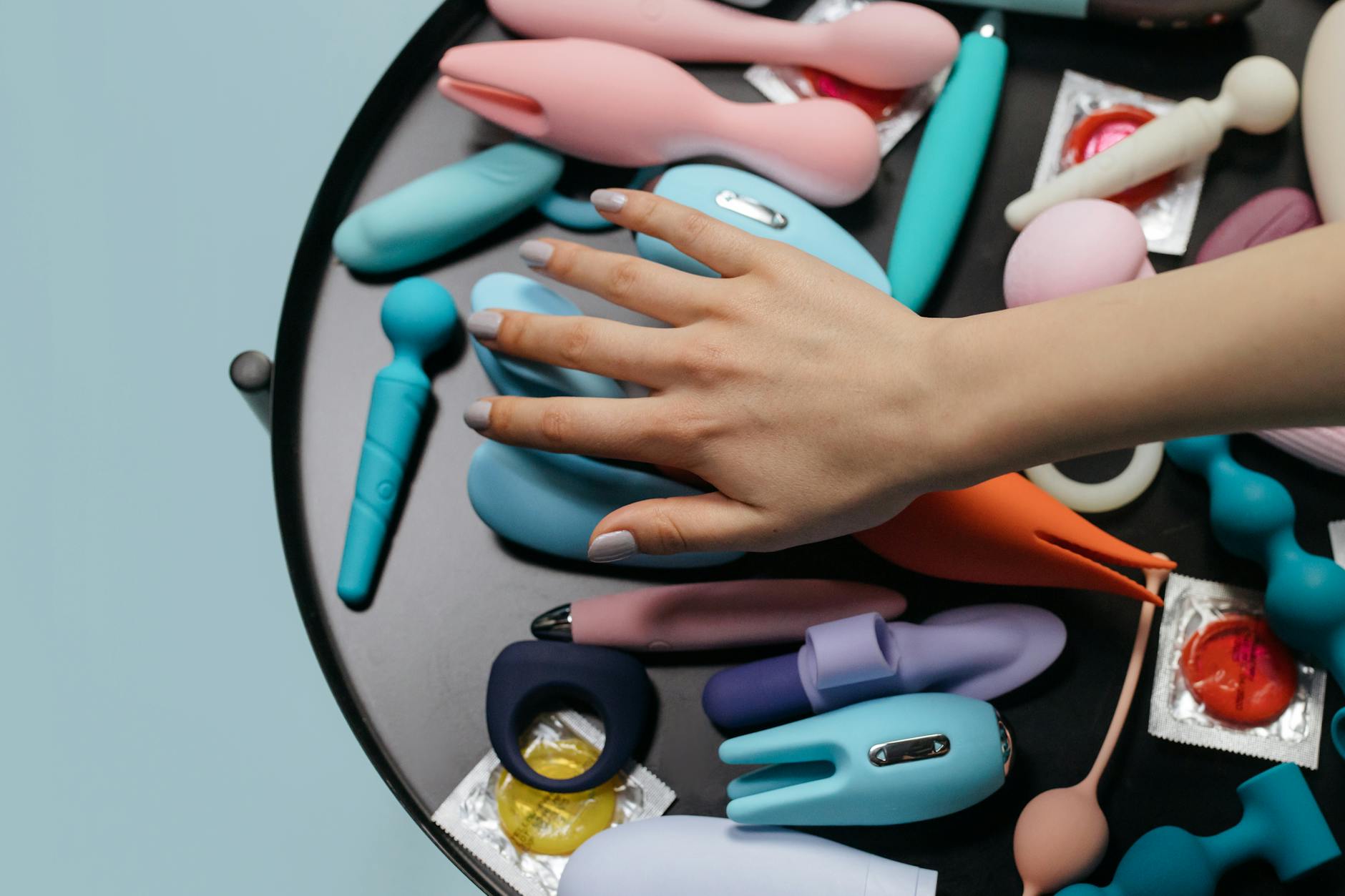
Photo by cottonbro studio on Pexels
Start low and spend more time in the buildup
One of the biggest mistakes I see is people trying to use the Lem at the same intensity they used their old toy before quitting birth control. Your arousal pathway is different now. Your baseline sensitivity is different. You need to rebuild your own map.
Begin at setting one or two on your lemon vibrator. Sit with it. Don't rush to higher intensities just because the lower ones feel tame. Your nervous system is actually rewiring how it processes pleasure signals right now, and patience during this phase creates better long-term responsiveness.
Spend fifteen to twenty minutes in slow buildup before you even think about turning up the intensity. This isn't laziness or foreplay padding. You're literally teaching your body a new arousal curve. The longer and slower the buildup, the more your clitoris engorges and the more sensation registers. By the time you reach a moderate intensity on your lemon clitoral vibrator, the physical sensation will feel completely different than if you'd jumped there in five minutes.
Track the patterns, not the feelings
Stopping birth control is emotionally charged enough without adding performance pressure. Don't try to force yourself to feel aroused on a schedule. Instead, track what's actually happening: When does your arousal wake up most reliably during your cycle now? What time of day? What kind of touch, what intensity, what pattern?
Your menstrual cycle is returning to its natural rhythm. That matters more than you might think. During the follicular phase (the two weeks after your period), rising estrogen typically makes arousal come easier and faster. During the luteal phase (after ovulation), arousal often takes longer and feels more localized. Neither is wrong. They're just different.
When you use your lemon vibrator with that knowledge, you're working with your body instead of against it.
What happens to partnership during this time
If you have a partner, this transition affects them too, even if they don't have a stake in the hormonal changes. Sex was one way, and now it's another way. Partners sometimes interpret the change as loss of desire toward them instead of what it actually is: a physiological reset.
Having your lemon sexual toy in the conversation can actually help. It makes the transition visible and normal. You're not "broken" or "less into them." You're discovering what arousal looks like now. Using the Lem together, or letting them watch you use it solo, recasts the whole dynamic from "something's wrong" to "we're learning something new together."
This is also a perfect time to rebuild communication about pleasure. What felt good before might not feel good now. What never did anything for you might suddenly work. You both get to be curious instead of assuming.
The role of mental headspace
Hormonal birth control affects mood, anxiety, and confidence as much as it affects genital sensation. Coming off it, some people feel emotionally lighter. Others feel more anxious, more aware of intrusive thoughts during sex.
If your mind is noisy during pleasure, don't expect a toy to fix that. But the Lem's gentle, sustained stimulation actually helps quiet the mind better than abrupt vibration does. Many people find that the rhythmic suction creates a kind of meditative anchor. Your mind has something consistent to focus on instead of spiraling.
If anxiety is strong, back off the toy and spend time just touching yourself without it. Pleasure is not the goal right now. Nervous system regulation is. Once your body feels safe again, the toy becomes useful.
How to know if you need extra support
Most people adjust within three to six months of stopping birth control. Some don't. If you're more than six months off hormonal contraception and arousal still isn't waking up, or if sex is painful, that's worth mentioning to a doctor.
Some people find their desire takes longer to return. Some discover they're actually more satisfied with solo pleasure than partnered sex, and that's valid information about themselves, not a problem. Others find that the transition reveals relationship issues that hormones were quieting down.
A lemon vibrator can support your pleasure during this time, but it can't address everything. If something feels genuinely off, talk to someone. Check out how to use a lemon vibrator when hormonal changes affect arousal for more nuanced navigation of hormonal shifts in pleasure.
The unexpected upside
Here's the thing that surprises most people: once your body fully recalibrates, orgasms often feel stronger and more reliable than they did on birth control. Your baseline arousal sensitivity is higher. Your body's blood flow response is more robust. Many people discover orgasms they didn't know were possible.
The lemon sexual toys aren't just a bridge across this awkward transition. They're a tool for discovering what your pleasure actually looks like off hormones. Stay curious. Stay patient. Your body is coming back online, and it's worth the time.
Frequently asked questions
How long does it take for arousal to return to normal after stopping birth control?
Most people see shifts within three to six months, but hormonal recalibration can take up to a year or longer. If you've been on birth control for a decade, your body is essentially rediscovering its natural cycle. That's a process. The second and third cycles typically feel more normalized than the first. If arousal hasn't shifted after six months, check in with a doctor to rule out other factors like thyroid issues or anemia.
Will my orgasms feel the same after I stop birth control?
No. They'll likely feel different, often better. Birth control suppresses estrogen, which reduces clitoral engorgement and vaginal blood flow. Coming off it means more sensation available, more capacity for pleasure. However, the transition period can be uncomfortable. You might feel more sensitive to touch or need longer buildup time. Using a lemon clitoral vibrator during this window helps you adapt to the new sensation without frustration.
Can I use a lemon vibrator immediately after stopping birth control?
Yes, but adjust your expectations. Your clitoris is sensitive and your arousal pathways are shifting. Start at the lowest settings on your Lem and give yourself longer warm-up time. If direct clitoral touch feels too intense, try working the vibrator around the sides of the clitoris first. Your tolerance will increase as your body settles into its new hormonal baseline.
Should I tell my partner about the changes in my arousal?
Absolutely. Sexual transitions are partnership issues, not secret struggles. Explain that your body is recalibrating hormones, not that you're losing interest. Invite them into the process. If they see you enjoying a lemon vibrator solo, they'll understand it's about discovery, not replacement. Many couples find that this conversation actually strengthens intimacy because it's honest and vulnerable.
Is it normal to need longer to reach orgasm after stopping birth control?
Completely normal. Birth control alters brain chemistry related to arousal and reward. When you stop it, your dopamine and oxytocin pathways are resetting. Arousal often takes longer to build during this transition. The good news: longer buildup usually means stronger orgasms once they arrive. A lemon sucker like the Lem is perfect for this window because it provides sustained, gentle stimulation that matches slower arousal.
What if I don't feel any desire after stopping birth control?
If desire hasn't returned after three months, that's worth exploring. Sometimes coming off hormones reveals that the pill was masking low desire unrelated to the contraception itself. Sometimes it takes longer than three months. Track your cycle, notice when you feel most alive, and don't panic. If by month six desire still hasn't budged, check in with a gynecologist about your overall health. Missing desire can signal nutritional deficiencies, thyroid issues, or relationship problems that the pill was quieting.
What comes next
Your body off hormonal birth control is not a broken version of your body on it. It's your actual body, fully present for the first time in years. A lemon vibrator, with its gentle air-suction technology, is a smart companion for rediscovering what pleasure actually feels like now.
Give yourself grace during this reset. Pleasure isn't a performance. It's information. The Lem is there to help you listen to what your body is actually saying instead of forcing it to respond the old way.
If you're navigating other pleasure challenges alongside coming off birth control, read about how to use lemon vibrators when you feel disconnected from pleasure for more strategies. And if your partner needs guidance on how to support you during this shift, how to use lemon vibrators to rebuild intimacy with your long-term partner breaks down the conversation.
Your recalibrated pleasure is worth the time. Trust the process.