Let's name the fear first
You're worried your partner will think you're unhappy with them. Or that bringing up a lemon clitoral vibrator signals that sex isn't good enough. Or that they'll feel replaced, inadequate, or that you're criticizing their performance.
They won't think any of that. But your brain is doing a really understandable thing: conflating "I want to try something new" with "something is broken." They're not the same statement. The problem is, most of us were never taught how to separate them in conversation.
Why this conversation matters (and why you're not alone)
Research on couples who introduce toys consistently shows the same pattern. The anxiety before the conversation is almost always 300 percent worse than the actual conversation. Partners are rarely shocked or upset. What they often report instead is relief.
Relief that their partner wanted to be closer to pleasure. Relief that the conversation opened a door to other things. Relief that they were finally invited into something that felt taboo.
The real risk isn't rejection. The real risk is never bringing it up and quietly wishing you had.
Timing is 80 percent of this
Don't launch this during sex. Don't bring it up mid-argument. Don't text it. These are all ways to load the conversation with extra weight it doesn't need.
Instead, pick a moment when you're both relaxed, fed, not distracted by screens or stress, and somewhere private. Ideally not in bed (that can feel too loaded). A walk, a lazy Sunday morning coffee, a car ride where you're side by side rather than face to face. Side-by-side actually reduces defensiveness in your nervous system. Your brain processes vulnerability differently when you're not locked in eye contact.
The frame matters more than the words
Here's what not to do: "I've been reading about sex toys and I think we should try one." This frames it as a problem you've been thinking about alone and want to solve.
Here's what works: "I've been thinking about us, and I want us to feel even closer. I'm curious about something, and I'd like to try it together. Would you be open to that?"
Notice the differences. You're centering the relationship first. You're naming curiosity, not dissatisfaction. You're inviting them in instead of announcing a decision. You're asking permission before you pitch details.
Most partners will say yes to that question before they even know what "it" is.
Then you introduce the specific tool
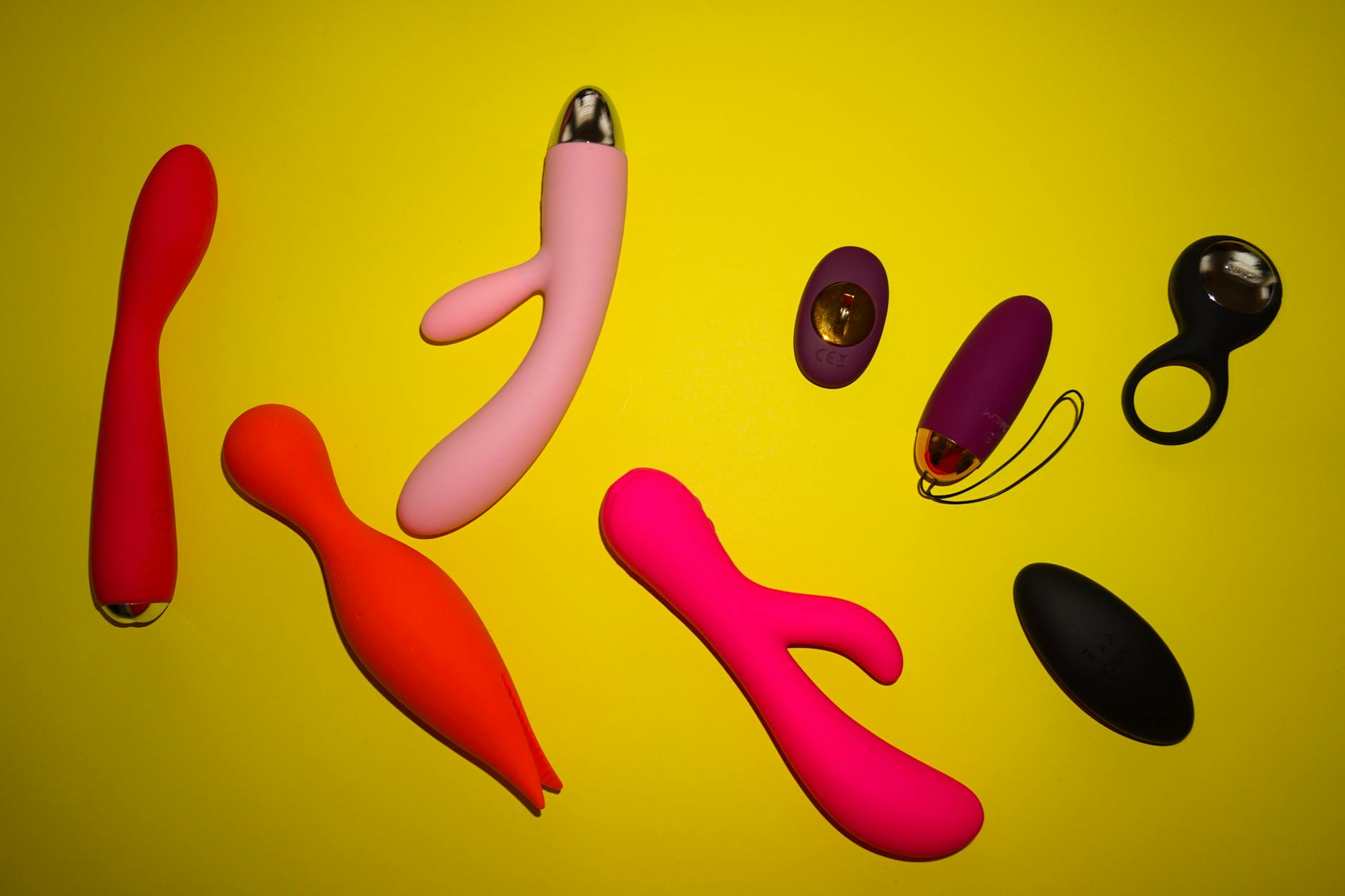
Once they've opened the door, you can be specific. "I'm curious about using a lemon clitoral vibrator together. It's designed to work really well with my body, and honestly, I think it could feel amazing for both of us." That's it.
Don't over-explain. Don't get defensive. Don't apologize or hedge with "I mean, only if you want to." You've already asked permission. Now you're just naming what you want.
If they ask questions, answer them directly. No shame, no performance of confidence you don't feel. Just honest answers. "How would it work?" "I'd use it during sex so I get more direct stimulation." "Would it replace me?" "It's an addition, not a replacement. Think of it like I'm giving your hands an upgrade."
The resistance you might encounter
Some partners will say no. That's valid information, and it's worth understanding why. Don't argue. Instead, ask: "What's coming up for you about this?" Listen without defending. Often the resistance isn't about the toy. It's about something underneath.
They might feel like their body should be "enough." They might have shame around their own sexuality. They might worry about performance. These are relationship conversations that need air, and the toy was just the trigger.
Some partners will need time. "I'm not ready yet, but I'm not a no forever." That's also valid. Don't push. Revisit it in a few months.
Most partners will say yes and want to know more.
When they say yes, don't overcomplicate it
You don't need a whole plan. You don't need a special night. You can literally just use it the next time you're intimate, the same way you'd use any other touch.
Explore how lemon vibrators work better than other toys for sensitive bodies if you want the technical details. For now, just know that the design means less guesswork, and more of what actually feels good.
Tell your partner what you like as it happens. "That angle feels incredible." "A little slower." This isn't criticism of them. It's information. Partners actually want to know what works. It makes them feel capable.
If it doesn't feel amazing the first time, that's completely normal. Anything new takes adjustment. Use it a few times before you decide if it's working.
What happens after
Honestly, often the conversation becomes a door to other conversations. Partners who bring toys into the mix together report feeling closer, more playful, less afraid to ask for what they want. The toy is almost secondary to the permission it gives you both to be more honest.
You might find they want to explore more. You might find they want to talk about other things. You might just find that sex feels a little easier, a little more about connection and less about performance.
The real win isn't the toy. It's the conversation that says "Your pleasure matters to me enough to risk awkwardness over."
 Photo by cottonbro studio on Pexels
The specific words, if you want a template
You don't need to memorize this, but here's a full arc if it helps:
"I've been thinking about us and about pleasure, and I realized I want to feel more connected to what actually works for my body. I've been researching and I'm curious about something. Would you be open to talking about it?"
Then: "I want to try using a lemon clitoral vibrator with you sometime. I think it could feel really good, and I'd like to explore it together rather than alone."
Then: "I know this might feel like it came out of nowhere, but it's not about anything being wrong. It's about wanting to know my body better and wanting you to be part of that."
See what that does? It centers curiosity, it includes them, it's honest without being defensive.
If you're already a couple who talks about sex
This is much easier. You might not need the whole careful frame. You might just say "Hey, I want to try this toy" and have it be fine.
But you'd be surprised. Even couples who talk easily can have weird blocks around toys. Don't assume. Go slower rather than faster.
If you're wondering whether this is worth the discomfort
It is. Not because the toy itself is magic. It's because the conversation teaches you both that you can ask for what you want and be heard. That your pleasure matters. That your partner loves you enough to be curious about your body.
Those three things transfer to everything else. Suddenly other hard conversations feel less impossible.
Frequently asked questions
What if my partner thinks I'm saying our sex life isn't good?
That's their fear talking, not reality. Name it directly: "I love our sex life. I'm not saying it's broken. I'm saying I want to explore what else is possible. I want to bring you with me." The difference between "it's not good" and "I want to feel even more" is that the second one is an invitation, not a complaint.
How do I bring this up if we rarely talk about sex at all?
Start smaller. Before you mention a toy, start normalizing pleasure conversations. "That felt really good." "I loved when you." Get comfortable naming good things before you introduce new things. Then the toy conversation feels less like a bolt from the blue.
What if they want to pick the toy together?
That's actually ideal. It means you're both invested in the choice. You can browse options on your own time, talk about what appeals to you both, and pick something that feels right. Some couples find this process actually brings them closer.
Should I be worried they'll use it without me?
Nope. Lemon sexual toys are designed to work really well solo and with partners. If they want to explore on their own time, that's them knowing their own body. That's healthy. You can do the same.
What if they want to use it on me but I wanted to use it on myself?
Both can be true. You can try it their way first to see how that feels, then explore solo. Most couples find they enjoy both variations.
How long should I wait to see if they come around to the idea?
If they said no, give it at least three months before revisiting. If they said "not right now," check in every few months without pressure. If they said yes and you're both in, start whenever feels right. No rush. The best toy moments are the ones where both people actually want to be there.
The bottom line
You're not asking for something weird or unreasonable. You're asking for closeness and curiosity. Your partner almost certainly wants both of those things too. The conversation you're dreading is probably going to feel like relief on both sides. And if it doesn't go that way, you'll have information about what needs healing, which is valuable on its own. Either way, you were brave for bringing it up. That matters.