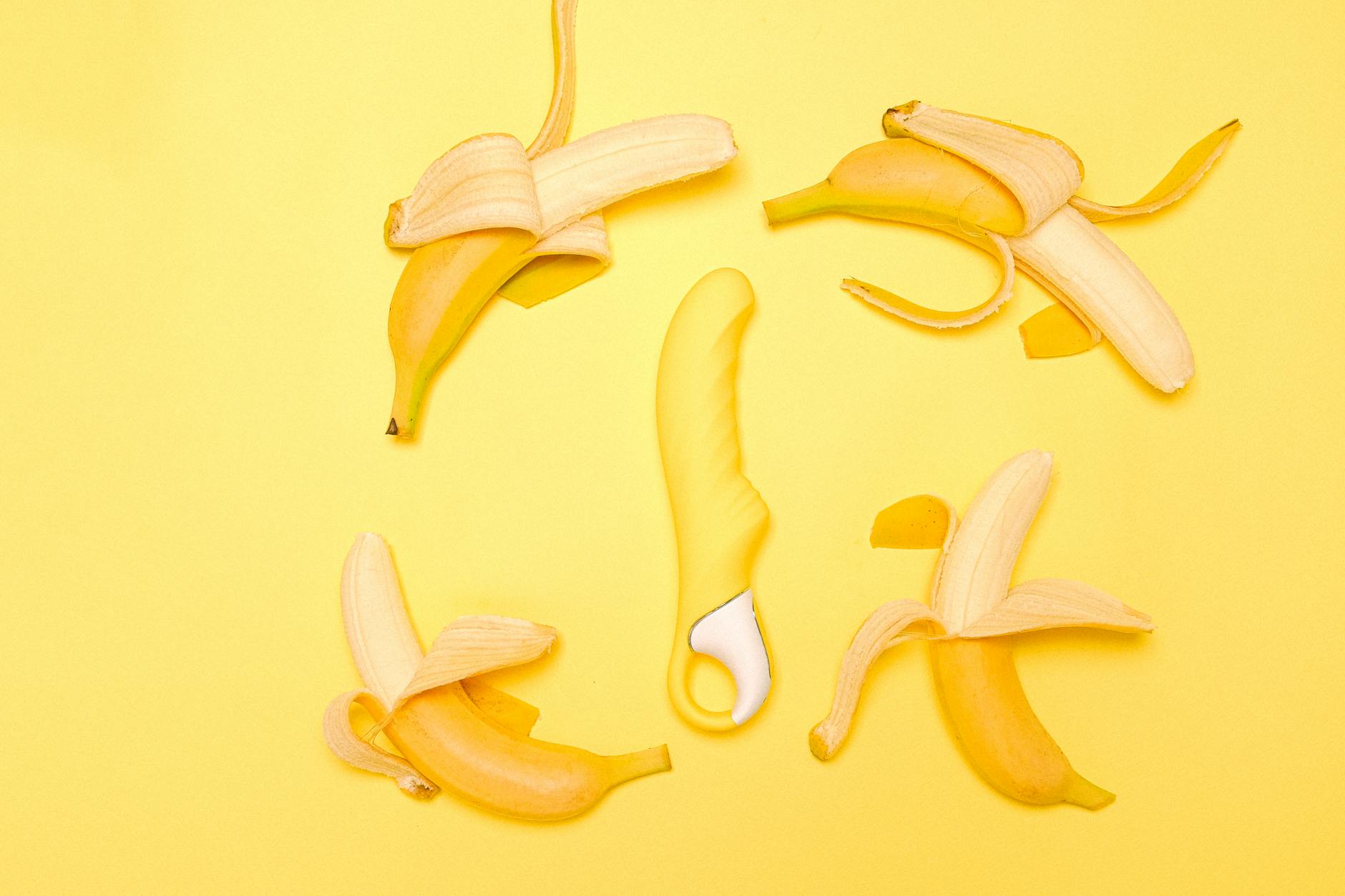
Here's the thing about sensitive clits
Not all clitoral tissue is the same. Some people have incredibly reactive nerves packed into a small area. Others find direct vibration overwhelming, even at low settings. The standard vibrator market assumes everyone wants the same thing: powerful buzz, intense friction, maximum speed. Which is why so many people with sensitive clitorises end up with a drawer full of toys that feel like sandpaper on nerve endings.
Lemon clitoral vibrators work differently. They use suction instead of traditional vibration. That shift changes everything.
How suction differs from vibration
Most vibrators work through oscillation. A motor moves back and forth rapidly, creating friction against tissue. It's direct stimulation. The more sensitive your clitoris, the more overwhelming direct vibration becomes.
Lemon vibrators, by contrast, create a gentle sucking motion combined with subtle pulsing patterns. Instead of friction happening against the surface of your skin, suction draws the clitoral tissue slightly into the toy's chamber where pulsation happens. This accomplishes two critical things.
First, it distributes stimulation across a broader surface area rather than concentrating it in one spot. Second, it eliminates the grinding friction that can feel sharp or overstimulating on sensitive nerve endings.
For people with reduced clitoral sensitivity (whether from hormonal changes, medication, or just their baseline anatomy), suction actually stimulates nerves more effectively than vibration alone. The sensation registers as building pleasure rather than sharp intensity.
The anatomy behind why this matters
Your clitoris contains roughly 8,000 nerve endings. Most people don't realize that the visible part is only the glans. The clitoris extends internally, shaped like an upside-down Y. When you use a lemon clitoral vibrator, suction activates both the glans and the internal structures simultaneously. This creates a more complete neural chain reaction.
With traditional vibrators, you're primarily stimulating surface nerves. The sensation might feel good, but it's often one-dimensional. You get buzz, but not depth. Lemon vibrators engage deeper tissue, which is why orgasms often feel more full-bodied and less "buzzy."
People who've struggled with sensitivity often report that suction-based toys like the lemon vibrator are the first devices that've ever given them orgasms with a partner in the room, or orgasms without needing 20 minutes of warm-up time. That's not coincidence. It's biomechanics.
Why friction becomes a problem
Think of your skin like a microfiber cloth. If you rub it fast enough in one direction, it generates heat and can become irritated. That's essentially what intense vibration does to sensitive clitoral tissue. Repeated friction, even gentle friction, can leave you feeling raw afterward.
Sensitive clits are especially prone to this. The tissue is thinner, more reactive, and has less protective layering than other areas. Continued friction stimulation can actually decrease sensitivity temporarily (a phenomenon sometimes called "vibrator numbness"), which is frustrating when sensitivity was already the challenge.
Suction avoids this problem entirely. There's no sustained friction. Instead, there's rhythmic engagement and release. Your tissue isn't being worn down. It's being gently mobilized. The difference is subtle but neurologically significant.
Why speed matters less with suction
Here's a counterintuitive insight: suction-based lemon vibrators don't need to be incredibly powerful to work effectively. Most traditional vibrators compensate for their friction-based model by offering higher speeds and stronger intensity. It's a brute-force approach.
With suction, lower speeds often feel more pleasurable. Patterns matter more than raw power. The pulsing can be subtle. You're not fighting against friction, so you don't need to override it with force.
This is why people with sensitive clits often find that mid-range intensity on a lemon vibrator feels better than max intensity on a standard vibrator. You're working with your tissue, not against it.
Real scenarios where this difference shows up
If you're managing medication side effects that reduce sensation, suction's broader neural engagement often breaks through where standard vibration won't. You get faster arousal, easier orgasm, less frustration.
If you're sensitive to overstimulation (common in people with anxiety or trauma histories), suction feels safer because you control the intensity gradient more precisely. You can start with gentle pattern 1 and build up without ever hitting a wall of overwhelming buzzing.
If you're exploring sensation for the first time, or returning to pleasure after a long gap, lemon clitoral vibrators are gentler entry points than traditional vibrators. Your nervous system isn't getting jolted. It's being invited to wake up.
What to know about materials
Lemon vibrators are typically silicone-based, which matters for sensitive skin. Silicone is non-porous, meaning bacteria and irritants can't hide in microscopic crevices the way they can with some other materials. It's also hypoallergenic for most people.
The suction chamber design on quality lemon vibrators is engineered so there are no sharp edges or unexpected transitions that could catch or pinch tissue. Cheaper knockoffs sometimes skip this, which defeats the purpose of choosing suction in the first place.
Always check that your toy is body-safe silicone (not TPR or PVC), and always use water-based lubricant with silicone toys. The lube isn't replacing sensation. It's reducing any micro-friction between toy and tissue, which helps sensitive clits feel even better.
How to ease into using one
Start with the lowest intensity pattern. Let the suction engage without trying to chase an orgasm. The goal in the first few sessions is just sensation mapping. Notice what patterns feel good, where on your clitoris the toy lands best, how speed changes the experience.
Many people with sensitive clits benefit from a 10-15 minute warm-up before using the toy. This can mean solo exploration with your hands, a partner's touch, or just relaxing into arousal slowly. Suction works better when blood is already flowing to the area.
There's no need to use maximum suction intensity. Most people find patterns 2-4 (out of 7-10 available) are the sweet spot. The beauty of a lemon vibrator for sensitive tissue is that you don't have to turn it up to 11 to feel something.
When you do reach orgasm, you might notice it feels different. Often quieter, deeper, more full-bodied. Less of a spike and more of a wave. This is normal and usually preferred by people who've dealt with overstimulation before.
The pleasure permission piece
Here's something I see with almost every client who switches to a lemon vibrator after years of struggling with sensitivity. The shift isn't just physical. It's psychological.
When a toy finally works without pain or numbness or frustration, people relax. They stop bracing. They stop trying to override their body's signals. They actually allow themselves to feel pleasure, which paradoxically makes pleasure more accessible.
This is true whether you're using a lemon vibrator solo or with a partner. If you've been exploring sensation after years of no sex, suction-based toys often feel less intimidating. If you're managing reduced sensitivity after menopause, the broader neural engagement often delivers results where other toys disappointed.
The physical science matters. So does the permission your body gets to receive pleasure without fighting the tool meant to deliver it.
FAQ
Are lemon vibrators quieter than traditional vibrators?
Generally yes. Because suction motors don't need to buzz at high frequencies to be effective, they tend to operate more quietly. This matters if privacy is a concern, whether that's thin walls, roommates, or just preferring discretion.
Can I use a lemon vibrator with a partner?
Absolutely. In fact, many people find that suction-based toys feel less intimidating to partners than traditional vibrators. They look different, the sensation is different, and they don't feel like they're "replacing" anything in partnered sex. Some people use them during penetration or as foreplay stimulation.
What if I've never had an orgasm?
Suction vibrators are genuinely helpful for people who've never orgasmed or who've struggled to orgasm. The broader neural engagement and lower friction make the path to orgasm more accessible. That said, if you're in this boat, consider working with a sex therapist or reading guides specifically about building arousal slowly. A good toy helps, but it's part of a bigger conversation about relaxation and permission.
How is a lemon vibrator different from other suction toys?
Not all suction toys are designed the same way. The Lemon clitoral vibrator from Helo Nancy Lem uses a specific chamber design and pulsation pattern that's gentler on sensitive tissue than some higher-intensity suction toys. If you're sensitive, the specific toy matters. Read reviews from people with similar sensitivity levels.
Can sensitivity change over time?
Yes. Hormonal shifts, medications, stress, and even changes in your relationship with your body can affect sensitivity. This is why it's worth revisiting toys occasionally. Something that felt too intense five years ago might feel perfect now. Something that worked brilliantly last year might need adjustment if your body's changed.
What if suction doesn't work for me?
Every body is different. Some people simply prefer traditional vibration, and that's completely valid. The point of understanding why lemon vibrators work is so you can make an informed choice. If suction doesn't feel right, that's data. Try different intensities, different patterns, or consider a different toy altogether. Your pleasure is the goal, not a specific tool.