Let's talk about what birth control actually does to your body
Hormonal birth control doesn't just prevent pregnancy. It fundamentally rewires how your nervous system responds to stimulation, when arousal kicks in, and how your orgasms feel. Yet almost no one talks about this when they start the pill, the patch, the ring, or the implant. You're left figuring it out alone, wondering if something's wrong with you when sensation shifts or arousal takes longer to build.
Nothing is wrong with you. Your brain chemistry is just different now. And that means your approach to pleasure needs to shift too.
How hormonal birth control changes sensation
Hormonal contraceptives suppress your natural testosterone production. Yes, people with vulvas make testosterone, and it's a massive driver of sexual sensation and desire. On hormonal birth control, testosterone can drop 20 to 40 percent depending on the method and your individual metabolism.
Lower testosterone means a few things happen in tandem. Your clitoris doesn't engorge as quickly or as fully during arousal. The genital tissue becomes slightly less sensitive to light touch, which is why that feathery sensation that used to drive you wild might feel muted now. Your skin itself may feel less reactive—less flushing, less warmth radiating outward.
This is not permanent, and it's not damage. Your nerve endings haven't gone anywhere. They're just operating under different hormonal conditions.
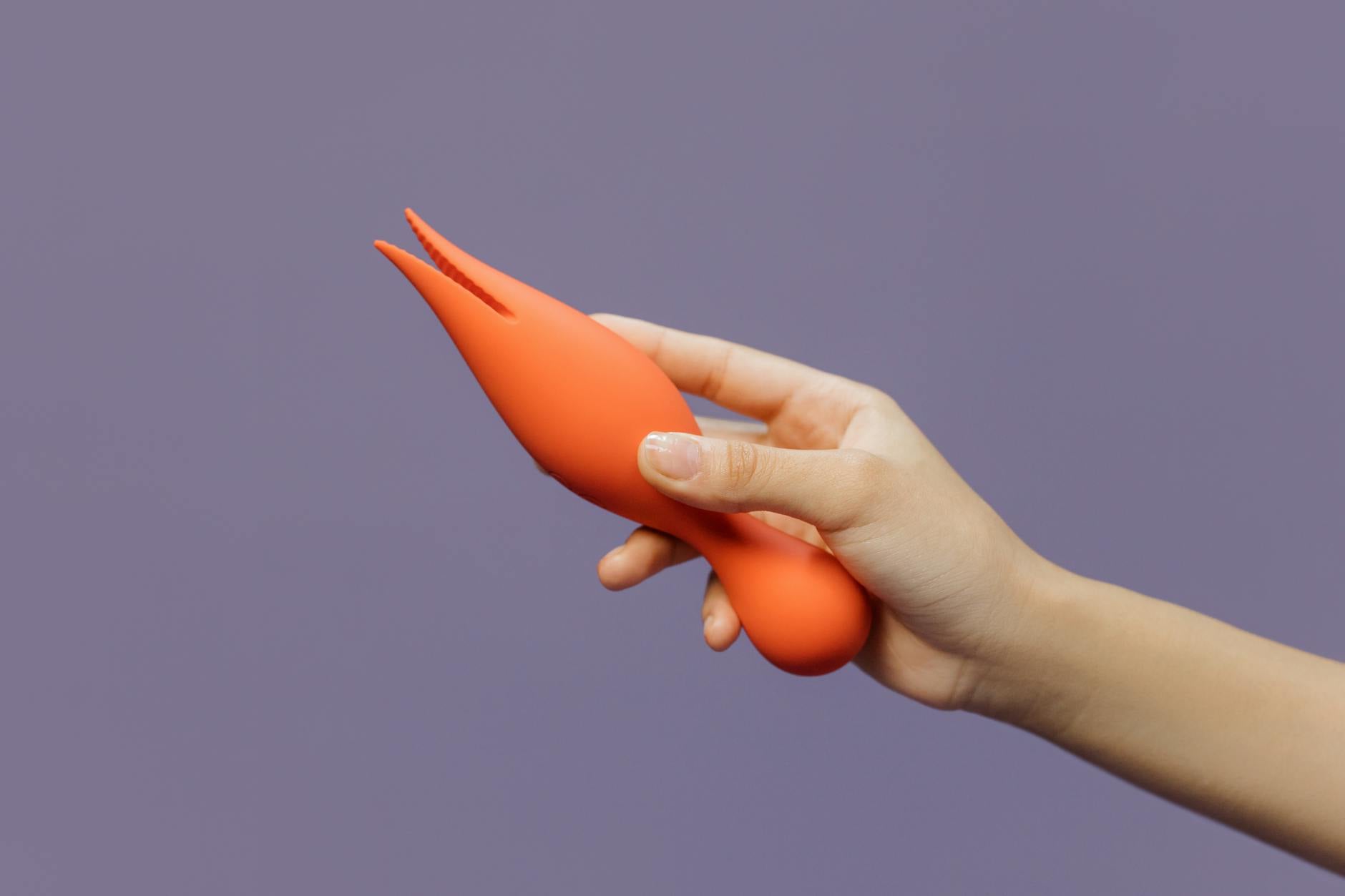
The upside? Lemon clitoral vibrators like the Lem vibrator are perfectly designed to work with this shifted sensation. Because suction-based stimulation creates a deeper, broader sensation pattern than friction alone, it can wake up receptors that might feel quieter under suppressed testosterone. You're not fighting your biology; you're meeting it halfway.
Arousal takes longer, and that's actually fine
On hormonal birth control, the arousal ramp is gentler and slower. What used to build in five minutes might take 15. Your body isn't broken; your baseline neurochemistry has just changed. Progestin slows the neural signaling that kicks off arousal cascade, and that's worth understanding because it changes how you should approach your lemon vibrator session.
Instead of jumping straight to stimulation, spend real time on foreplay. Mental engagement matters more now. Reading erotica, fantasizing, teasing yourself with gentle touch before you ever turn on your vibrator. This isn't extra work; it's recalibrating your pleasure practice to match where your body actually is right now.
When you do turn on your lemon sexual toy, start at intensity level one or two instead of jumping to your favorite setting. Let your body build. This front-loading of arousal time often means your orgasm, when it arrives, is actually more intense because you've given your nervous system room to really climb.
Orgasm quality changes, usually for the better
Here's the part that surprises people. Yes, some folks report that orgasms feel slightly less explosive on hormonal birth control. But many report the opposite: orgasms become more nuanced, longer, and easier to chain together because the refractory period is shorter.
The reason? Progestin creates a more stable hormone environment, which means your nervous system isn't cycling through peaks and valleys. That steadiness can actually allow for deeper relaxation into pleasure. You're not fighting hormonal surges; you're flowing with a flatter, more consistent baseline.
This is exactly why many people who switch to long-acting reversible contraception (like the IUD or implant) report completely different pleasure patterns than they had on the pill. Lower hormone doses mean less disruption. And whether you're on the pill or the implant, a lemon clitoral vibrator's gentle suction mechanism works beautifully because it doesn't require the same intensity of response from your tissue that older vibrator designs demand.
Lubrication shifts too, and it matters
Progestin thickens cervical mucus (which is literally how the pill prevents pregnancy), but it can also dry out vaginal tissue slightly, especially in the first three months. Some people experience this as mild; others find it significant.
This is absolutely worth adapting for. Keep a water-based lubricant next to your lemon vibrator. This isn't a sign of dysfunction; it's smart biology. Lubrication during pleasure isn't only about comfort; it changes how sensation registers. With lube, your lemon clitoral vibrator can glide and suction more smoothly, and your tissue responds more readily because it's not working against friction.
If dryness persists beyond three months, check in with your gynecologist. Sometimes switching pill formulations (to one with lower progestin, or to a different progestin altogether) completely resolves it. You don't have to white-knuckle through a decade of awkward pleasure.
Timing your pleasure practice around your cycle (yes, even on birth control)
Hormonal birth control flattens your natural cycle, but it doesn't erase it entirely. Even on the pill, many people notice slight variations in arousal and sensation across the month. Usually, these peaks happen during the placebo week when hormone levels dip slightly, or around mid-pack when your body adjusts to the new dose.
Pay attention to your own pattern. You might notice that mid-cycle or during your placebo week, arousal builds faster and sensation feels sharper. That's worth noting. On those days, you might enjoy your lemon vibrator right away. On other days, you might need more warm-up time.
This is personalized pleasure tracking, and it works because you're honoring where your body actually is instead of forcing a one-size-fits-all approach.
When to reassess your birth control method
If you started hormonal birth control and pleasure completely flatlined, and it hasn't recovered after three months, it's worth talking to your doctor. Some people are exquisitely sensitive to progestin, and switching to a lower-dose pill, a progestin-free method like the copper IUD, or a different hormone altogether can be transformative.
You don't have to choose between reliable contraception and a pleasure life. The two aren't mutually exclusive. Sometimes it just takes experimenting to find the right fit. A good gynecologist can walk you through options without judgment.
How to set yourself up for success with your lemon vibrator
Three concrete things I recommend for anyone on hormonal birth control:
First, budget more time for arousal. Fifteen minutes minimum, no rushing. Your pleasure timeline is different now, and that's actually an invitation to slow down and be more intentional.
Second, keep lube within arm's reach. Water-based, always, so it doesn't degrade silicone. You might not need it every time, but having it there removes friction (emotional and physical) when you do.
Third, start your lemon clitoral vibrator at a lower intensity than you think you need. You can always turn it up. You can't un-overstimulate if you jump straight to level five.
A lemon sexual toy works beautifully with birth control bodies because the stimulation is broad and consistent rather than relying on tissue response that might be dampened by hormones. You're not fighting your biology; you're working with it.
Frequently Asked Questions
How long does it take for my sensation to adjust after starting birth control?
Three to four months is typical. Some people stabilize faster; others take longer. Your nervous system is recalibrating to a new hormonal baseline. If sensation hasn't normalized or improved after six months, mention it to your doctor. Sometimes a different formulation is the answer.
Will my orgasms come back to "normal" if I stop taking birth control?
Yes, usually within a few weeks. Once hormonal contraception leaves your system, testosterone production returns to baseline, and arousal typically ramps up again. That said, many people find they prefer the more stable pleasure patterns they develop on birth control. "Normal" is just different, not better or worse.
Can I use my lemon vibrator the same way I did before birth control?
You can, but you'll get more pleasure if you adapt. Lower starting intensity, more arousal time, and lube nearby. Your lemon clitoral vibrator is flexible and responds well to these tweaks. The suction-based stimulation in devices like the Lem vibrator is actually ideal for birth control bodies because it doesn't rely on the same tissue responsiveness that friction-based vibrators demand.
Does every birth control method affect pleasure the same way?
No. The pill, patch, and ring all suppress testosterone, but intensity varies. IUDs (especially copper IUDs) and implants tend to have different patterns. Some people feel more difference with the mini-pill than with combined contraceptives. This is worth tracking in your own body. Your sensation journey is individual.
What if I'm on birth control and still have zero desire?
Zero desire is different from dampened sensation. If arousal has disappeared entirely, check in with your doctor. Sometimes it's the contraceptive, sometimes it's life stress, sometimes it's relationship friction. A good conversation with both your gynecologist and your partner (if applicable) can untangle this.
Can I combine birth control with testosterone supplementation for pleasure?
Some doctors discuss this in specific situations, especially if someone is on birth control for health reasons but wants to maintain higher sexual sensation. This is a conversation worth having with a gynecologist who specializes in sexual health. It's not standard practice, but it's not off-limits either.
The bottom line
Hormonal birth control changes your body in real, measurable ways. Sensation shifts, arousal timing changes, and orgasm patterns evolve. None of this means your pleasure life is over. It means you get to recalibrate.
A lemon vibrator, especially a suction-based model like the Lem vibrator, is built for bodies that need broader, more consistent stimulation. You're not fighting your biology; you're working with exactly where you are right now.
If something about your pleasure on birth control feels genuinely wrong, broken, or distressing, that's worth discussing with a provider who takes sexual health seriously. For most people, though, the shift is simple: more time, a little lube, and starting at a gentler intensity. Your pleasure doesn't disappear on birth control. It just gets quieter for a moment while your body recalibrates. And then it comes back, often richer and more interesting than before.
Want to talk through your specific situation or explore what might work best for your body? Reach out to Hello Nancy and let's figure this out together.