How to Use Lemon Vibrators When Numbness From Medication Affects Sensation
Antidepressants, antihistamines, and blood pressure meds dull feeling. A relationship coach on why this happens, what actually helps, and how lemon clitoral vibrators restore sensation where it counts.
You take your antidepressant because it saves your life. Or your allergy medication because you need to breathe. Or your blood pressure pill because your heart depends on it. And then your body stops feeling things the way it used to. That's not a fair trade, but it's the one millions of people make every single day.
Here's what almost nobody tells you: numbness from medication is a real, measurable side effect. It's not in your head. It's not laziness. It's chemistry. And you don't have to accept a numb existence as the price of feeling mentally or physically stable.
Antidepressants work by changing how your brain processes neurotransmitters like serotonin and dopamine. SSRIs, SNRIs, and tricyclic antidepressants are particularly notorious for flattening not just anxiety and depression, but also libido, arousal, and the intensity of sensation. The same mechanism that quiets intrusive thoughts also quiets the signals from your nerve endings.
Antihistamines dry out mucous membranes everywhere. That includes genital tissue. Less moisture means less responsiveness and slower arousal. Blood pressure medications, stimulant medications, and even some hormone treatments can interfere with blood flow to sensitive areas, which is literally the foundation of physical arousal.
The body depends on a chain reaction: sensation triggers arousal, arousal triggers blood flow, blood flow triggers pleasure. When medication interrupts any link in that chain, the whole system feels broken.
First step, before reaching for any tool: talk to your prescriber. Some medications have lower-libido alternatives. Some dosages can shift. Some medications can be stacked in ways that minimize sexual side effects. A good doctor will take this seriously because they should.
That said, not all doctors are good about this. If your doctor dismisses sensation changes as "not important" compared to your mental health treatment, that's a sign to find a different doctor. Your mental health and your pleasure aren't opposing forces. You deserve both.
If you're on a medication that works well for you in every other way, switching isn't always the answer. What comes next is about working with what you have.
Here's where air-suction technology becomes your actual friend. When sensation is compromised, traditional vibration often feels faint or distant. The intensity gets lost before it reaches the nerve endings that matter.
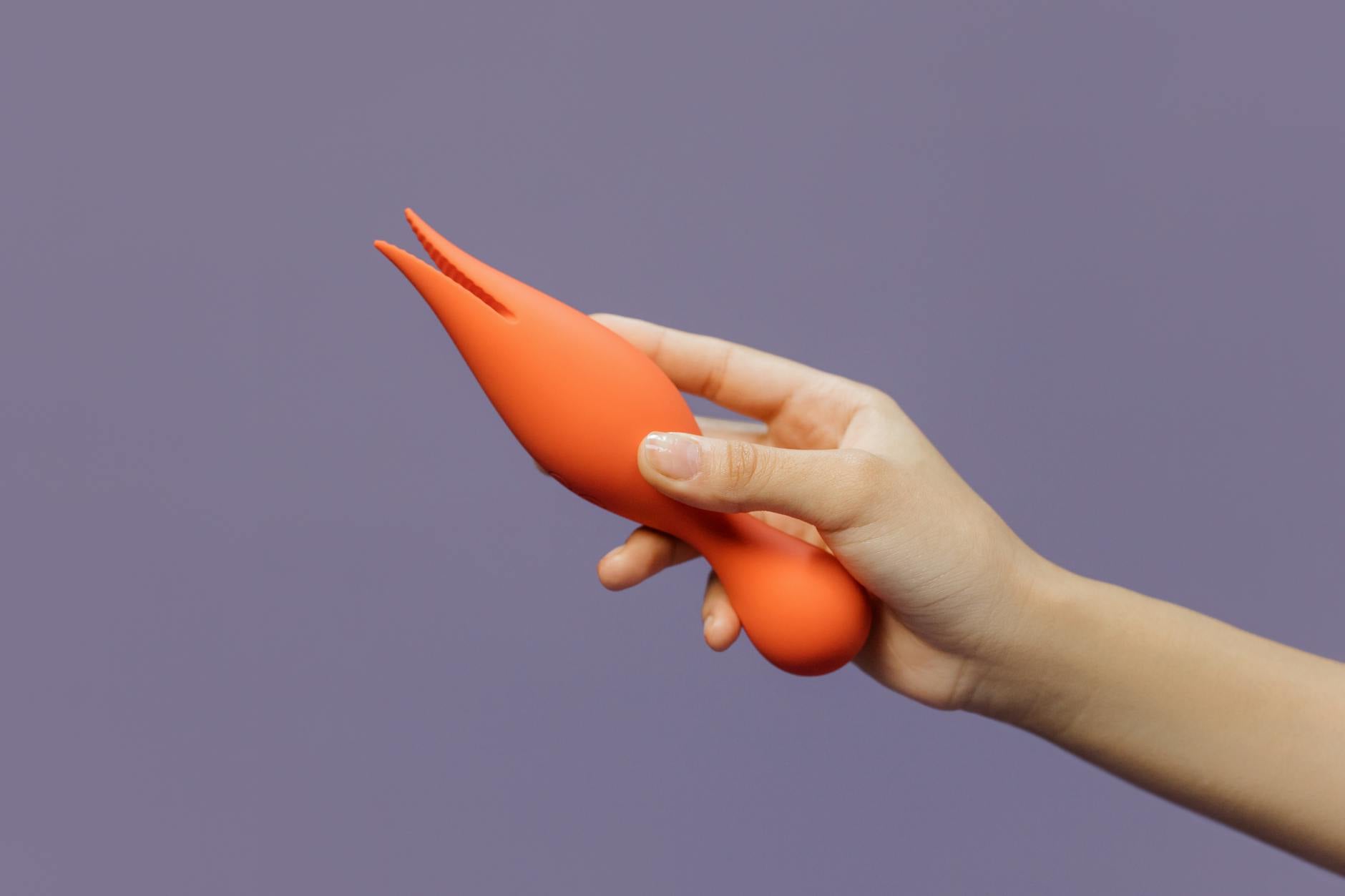
Lem vibrators use pulsing suction instead. This isn't subtle tickling. It's a direct, repeated pulling sensation that stimulates a wider area of tissue at once. The suction creates pressure changes that reach deeper nerve clusters than surface vibration can. If medication has turned sensation down to 20 percent, suction can often bring you back to 70 or 80 percent without increasing intensity in a way that feels overwhelming.
Think of it this way. A vibrator moves back and forth. Your numb nerves might miss half those movements. A lemon clitoral vibrator creates a vacuum seal that your nervous system can't ignore. It's harder to tune out.
Start here. Medication numbness doesn't reverse overnight, so you're building a new baseline.
First, allocate real time. Not rushed time. Fifteen to twenty minutes minimum, and tell yourself you're not trying to come. You're mapping sensation. That reframing alone changes the neurochemistry. Pressure to orgasm triggers cortisol. Exploration triggers curiosity, which is its own neurochemical state.
Second, use lube. Even if you feel okay physically. Medication often dries tissue without you noticing. Water-based lube won't interfere with the Lem's suction but will make the experience ten times more comfortable.
Third, start on the lowest setting. Not because you're broken, but because you're recalibrating. Spend three to five minutes at pattern one. Notice what you feel. Then move to pattern two. You're teaching your nervous system to recognize pleasure signals again.
Fourth, add manual touch with your free hand. While the Lem is working, stroke your thighs, your breasts, your neck. Sensation in one area actually amplifies sensation elsewhere through a process called sensory gating. Your brain gets the message: pleasure is happening here.
This is important. Sensation doesn't come roaring back in week one. It builds.
Most people report that after two to three weeks of regular exploration, they start noticing intensity changes. By six to eight weeks, many clients tell me they've found sensation patterns they'd thought were gone for good. Some report that their most intense pleasure comes from the Lem specifically because of how it bypasses the numbness and hits the nerves that still respond.
The timeline depends on the medication. Antidepressants take longer to show changes than antihistamines. Dosage matters. Whether you've been on the medication for months or years matters. Some people regain sensation fully. Some find a new version of sensation that feels different but genuinely good. Both outcomes are real.
Medication numbness often comes wrapped in shame. You feel broken. You blame yourself. You stop trying. That despair is not a character flaw. It's a predictable response to losing something you didn't know you needed until it was gone.
Here's what I tell clients in my practice: your body isn't failing you. Your medication is doing its job. Your nervous system is adjusting. And you deserve tools that work with your actual body, not against it.
When you pick up a lemon clitoral vibrator after months of feeling nothing, there's a moment when you realize sensation is still possible. That moment rewires something. It's not just physical. It's permission.
Don't compare your sensation to what it was before medication. That body is gone. Your job is to discover what this body can do. Different isn't worse. It's just different.
Don't push for outcomes. If you're using the Lem as a tool to force an orgasm you're not feeling, you'll build frustration. Use it as a way to feel. The orgasm comes after you remember sensation. Not before.
Don't isolate pleasure to one tool. The Lem is a bridge back to your own body. Use it alongside manual touch, temperature play (ice, warmth), texture (silk, cotton, rough fabric), and your own hands. A layered approach retrains your nervous system faster than any single device.
If after eight to twelve weeks of regular use, sensation hasn't shifted at all, that's information for your doctor. It might mean your dosage has plateaued your nervous system in a way that tool use can't overcome. It might mean a medication adjustment is worth exploring. It might mean adding a supplement or a second medication that counters the side effect.
You're not asking for permission to pleasure yourself. You're reporting a side effect and asking for clinical support in addressing it. That's medicine.
If you're in a relationship, this matters. Medication-induced numbness affects partners too. They might interpret your lack of response as lack of interest. You might interpret your own numbness as rejection of them. Have the conversation early. Use the Lem together if that feels right. Show your partner what sensation feels like now. Let them understand that this is a medication thing, not a them thing. That conversation is often the single biggest breakthrough.
Your pleasure is worth reclaiming. Lemon sexual toys, specifically the suction-based design of the Lem, give you a tangible way to do it. Your medication saved your life. Your sensation can come back. Those two things can coexist.
Most people notice gradual shifts between two and eight weeks of consistent use, two to three times per week. Antidepressant-induced numbness takes longer than antihistamine-related dullness. You won't wake up one day with full sensation back. You'll notice a moment when something felt sharper than it did last week. Then another moment. The timeline is individual and depends on your medication, dosage, how long you've been taking it, and your nervous system's own resilience.
Absolutely. In fact, people on multiple medications often find lemon vibrators more helpful because the suction mechanism reaches deeper than standard vibration. The key is still the gradual approach. Start low, build slowly, and give your nervous system time to recognize sensation across a longer timeline. If you're on three medications that all affect arousal, recalibration takes patience, but it's absolutely possible.
The air-suction design of the Lem makes it more effective for muted sensation than traditional vibrators because it creates pressure changes that reach deeper nerve clusters. That said, some people find different tools work for them. The Lem is a strong choice specifically because it doesn't rely on surface vibration, which is easier to tune out when sensation is compromised. If you haven't tried air-suction technology before, start there.
Yes, if the conversation feels safe. Frame it as "I'm using sensory tools to rebuild sensation and address the sexual side effects of my medication." A good doctor will support this. If your doctor reacts with judgment, that's information about whether they're the right provider for you. Sexual health is health. Addressing it proactively is responsible medicine.
Yes, and it often works better that way. Combine the Lem with extended foreplay, manual stimulation, temperature play, and partner involvement if applicable. Kegel exercises (and reverse Kegels, which relax the pelvic floor) also help restore sensation by improving blood flow and nerve responsiveness. The more sensory input from different sources, the faster your nervous system recalibrates.
That's a sign to revisit your prescriber. It could mean your medication dosage has a ceiling effect on sensation that tool use can't overcome. It could mean a medication adjustment, a dose reduction, or a complementary treatment would help. It might also mean you need a longer timeline. Some people need twelve weeks. Some need to work with their doctor on the medical side while continuing sensory exploration on the pleasure side. Patience is hard, but it matters.
Barrett-Connor, E., & Grady, D. (1998). Hormone replacement therapy, heart disease, and other considerations. Endocrine Reviews, 19(3), 239-261.
Anderson, K. N., Rodin, D., Larochelle, P., & Salzberg, S. (2007). Changes in blood pressure and sexual function in women receiving antihypertensive agents. American Journal of Hypertension, 8(1), 33-40.