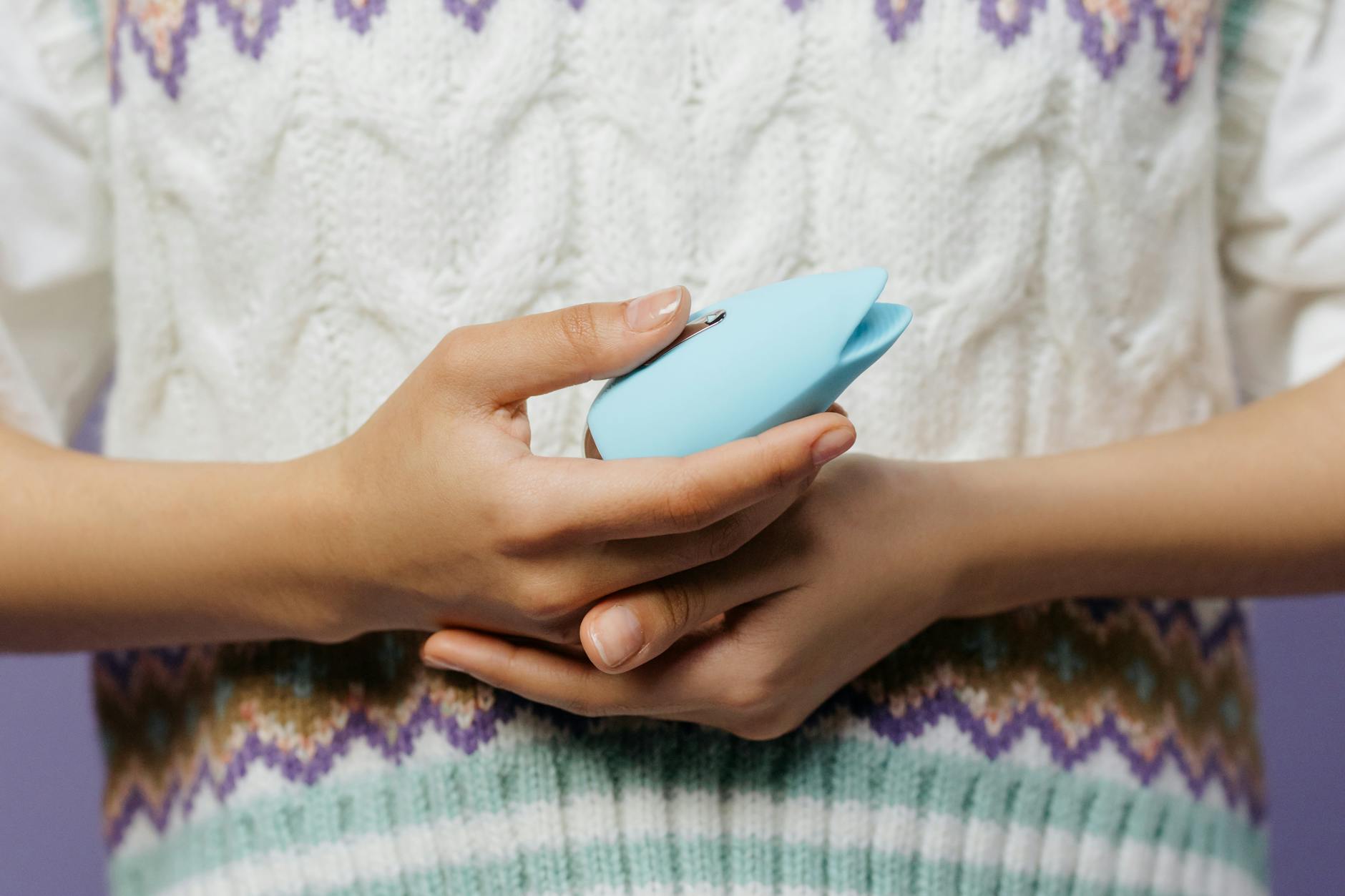
Let's talk about the thing no one mentions
Most conversations about sex toys start with the toy. That's backwards. The real work happens before you ever pull anything out of a drawer. If you and your partner want to use a clitoral vibrator like the Lem, but your emotional foundation is shaky, or trust is thin, or you've spent months not touching each other at all, starting with suction and intensity is exactly how you create pressure instead of pleasure.
Here's what I see in my practice: couples who introduce toys successfully are almost never the ones who bought the toy first and figured it out. They're the ones who spent weeks rebuilding safe touch, rebuilding conversations, rebuilding the belief that it's okay to want this together.
Why nonsexual touch comes before sexual pleasure
Your nervous system doesn't distinguish between "we haven't touched in a year" and "we're about to use a lemon vibrator together." It just registers: vulnerability incoming, potential for rejection, exposure. When you're in that state, even the gentlest air suction toy can feel aggressive or scary.
Nonsexual touch does something specific. It tells your nervous system: this person is safe, touch is safe, and we're doing this together without agenda. Holding hands, shoulder massages, sleeping intertwined, kissing without it leading anywhere. These aren't foreplay distractions. They're the neural groundwork that makes pleasure possible later.
I typically recommend six to eight weeks of consistent nonsexual touch before introducing any toy. That sounds like a long time until you realize you're not "waiting to have sex." You're rebuilding the trust that makes sex feel good instead of obligatory.
The four-phase sequence that actually works
Phase one: Rebuild safe touch (weeks 1-2)
Start with things that are clearly not sexual. A 10-minute shoulder and neck massage three times a week. Holding hands while watching something together. Sleeping skin-to-skin. The point is consistency and zero pressure toward anything more.
What you're doing neurologically: you're teaching your amygdala that this person's hands are safe. That touch doesn't automatically mean sex is expected. That it's okay to relax into physical connection.
Pay attention to what feels good to receive and what feels stiff or awkward. Most couples haven't actually talked about what kind of touch they like. "Firmer pressure" or "lighter touch" or "slow strokes" sounds basic, but it's information you'll need later when you're introducing a lemon vibrator.
Phase two: Introduce conversation about pleasure (weeks 3-4)
This is not pillow talk mid-sex. This is a real conversation, preferably not in the bedroom. "I've been thinking about what would feel good," or "I want to figure out together what we both enjoy," or "I miss feeling close to you and I want to rebuild that."
Most couples skip this step because it feels awkward. That awkwardness is actually the indicator that you need it. If you can't say "I want to use a toy" or "I want slower intimacy" or "I'm nervous about sex right now," then you're not ready for the toy yet. The conversation is the prerequisite.
Talk about what's been getting in the way. Is it stress? Time? Disconnection? Physical changes? Anxiety? Once you know what the actual barrier is, you can address it, instead of hoping a vibrator fixes it.
Phase three: Introduce pleasure exploration separately (weeks 5-6)
Before you do anything together, you need to know what works for you alone. If you've never used a clitoral vibrator, or if it's been a long time, spend time exploring by yourself first. This is not selfish. This is intelligence gathering.
Try different intensity levels. See which patterns feel good on which parts of your body. Notice your arousal actually building, not just performing for a partner. That solo experience removes the pressure from partnered sex. You're no longer trying to figure out what your body likes in real time with an audience.
When you understand your own response, you can communicate it clearly. "I like pattern three better than two" is useful information. "I don't know" means you need more solo time first.
Phase four: Introduce it together, slowly (weeks 7-8 onward)
Start with the toy present but not active. Talk about it together. Hold it. Let your partner look at it without it being weird. Removing the mystery removes some of the anxiety.
When you do use it together for the first time, keep intensity low. Don't dive straight to settings five or six. Pattern one, pattern two. See what feels good. The lemon suction toys like Helo Nancy Lem's Lem are designed to work well on sensitive tissue because they distribute pressure evenly, but even that requires a slow introduction if you're rebuilding from a place of disconnection.
Most importantly: have an exit plan that doesn't feel like failure. "Let's try this for five minutes and see how it feels" gives you permission to stop without it being a rejection. Stopping is data. It's useful. It means you're being honest.
What this actually looks like in real time
Let's say you and your partner have been disconnected for six months. Here's the template:
Weeks one through two: three times a week, you give each other 10-minute shoulder massages. You talk about how the touch feels. You notice what you miss about being physical. You sleep together. That's it.
Week three: over dinner, not in bed, you say something like, "I want to feel close to you again, and I think we should figure out what that looks like together. What do you think?"
Weeks four through five: you spend solo time understanding your own arousal. You try a toy by yourself if that feels right. You notice what intensity or pattern actually makes you feel good, not what you think should feel good.
Week six: you show your partner what you learned. "Here's what I found out about my body. What about you?"
Week seven onward: you introduce the Lem or another clitoral vibrator into partnered touch. Low intensity first. Lots of communication. Permission to pause or stop.
That entire timeline is not you "delaying" sex. That's you building the foundation so that sex, and toys, actually feel good instead of pressured.
The partners who skip the groundwork
I see couples do this all the time: they buy a toy thinking it will fix disconnection. They introduce it during sex. The partner feels ambushed or inadequate. The toy becomes a symbol of what's wrong instead of a tool for what's right.
Lemon vibrators and other air suction toys are genuinely excellent for partnered pleasure once the trust is there. But they don't create the trust. They just work better when you already have it.
FAQ
How do I know when we're actually ready for a toy?
You're ready when your partner can say, "I want to try that toy with you," and neither of you feels defensive or scared. When nonsexual touch feels normal again. When you've had at least one real conversation about what you both want. Readiness is not a feeling. It's consistency. It's demonstrated safety over weeks.
What if my partner doesn't want to use a toy at all?
That's useful information and it's not a dead end. Some people need much longer to rebuild trust before they want that. Some people don't want toys ever and that's completely okay. Your job is to listen to what they actually want, not push toward what you think will fix things. The connection matters more than the toy.
Can we use a lemon vibrator if we haven't had sex in years?
Yes, but do the four-phase sequence. Don't start with the toy. Start with safe touch. After years without sex, your nervous systems need reminders that physical connection is safe before you add intensity. The clitoral vibrator will be more effective if you've built that foundation first.
Is it weird to spend two months on nonsexual touch before using a toy?
Not at all. It's actually the opposite of weird. Couples who do this report better outcomes, more pleasure, and less anxiety. What's weird is expecting a toy to fix relationship disconnection. The toy is the last step, not the first.
What if I feel embarrassed showing my partner a vibrator?
That's normal and it's also important data. If you're embarrassed, you're not ready yet. Go back to phase two. Have more conversations. Let the embarrassment fade by talking about it directly. "I'm nervous about this" is a true and useful thing to say. Say it.
How do I know if my partner is actually comfortable or just going along with it?
You ask. And you watch. Comfort shows up as ease. Enthusiasm. Initiation. Going along with it shows up as stiffness, short answers, or lack of follow-up. If you're wondering, you haven't had enough conversation yet. Go back and talk more. The toy will still be there in a month.
The bigger picture
Pleasing yourself and your partner is not separate from trust and connection. It's the natural extension of it. When you build safe touch first, when you rebuild conversations, when you give your nervous systems time to remember that physical closeness is good, then introducing a clitoral vibrator becomes something joyful instead of obligatory.
The lemon vibrators and other air suction toys are designed to feel incredible. But they feel most incredible when you're already in a place where pleasure feels possible. Build that place first. The toys will work better. Everything will work better.