Let's be honest about what's actually happening
Your body is taking longer to warm up. Maybe it's always been this way. Maybe it changed gradually over the past few years. Either way, you've probably noticed the shift and then felt frustrated about it, as if your body is malfunctioning. Here's what I want to tell you clearly: it's not broken. It's just operating on a different timeline than it used to, or maybe different than you expected it to be.
This is one of the most common things I hear in my practice, and almost nobody talks about it openly. Women describe feeling "stuck" between wanting to engage sexually and their body simply not cooperating on the old schedule. Partners feel confused. There's a creeping sense that something is wrong. There isn't. What's changed is your actual physiology, your stress load, your nervous system activation, or all three. And once you understand what's happening, you can work with it instead of fighting it.
Why arousal slows down and what that actually means
Arousal is not a light switch. It's a process, and that process depends on your nervous system being in a specific state. When life gets more complicated, when stress accumulates, when hormones shift, or when you're managing multiple demands simultaneously, your body's capacity to flip into parasympathetic activation (the state where arousal happens) gets harder to access.
It's not that you've lost desire. It's that your brain needs more information, more safety cues, more time to downregulate from whatever else is happening. A partner who snaps into arousal in thirty seconds is operating with a different nervous system wiring, not a better one. But the culture treats slow arousal like a deficiency.
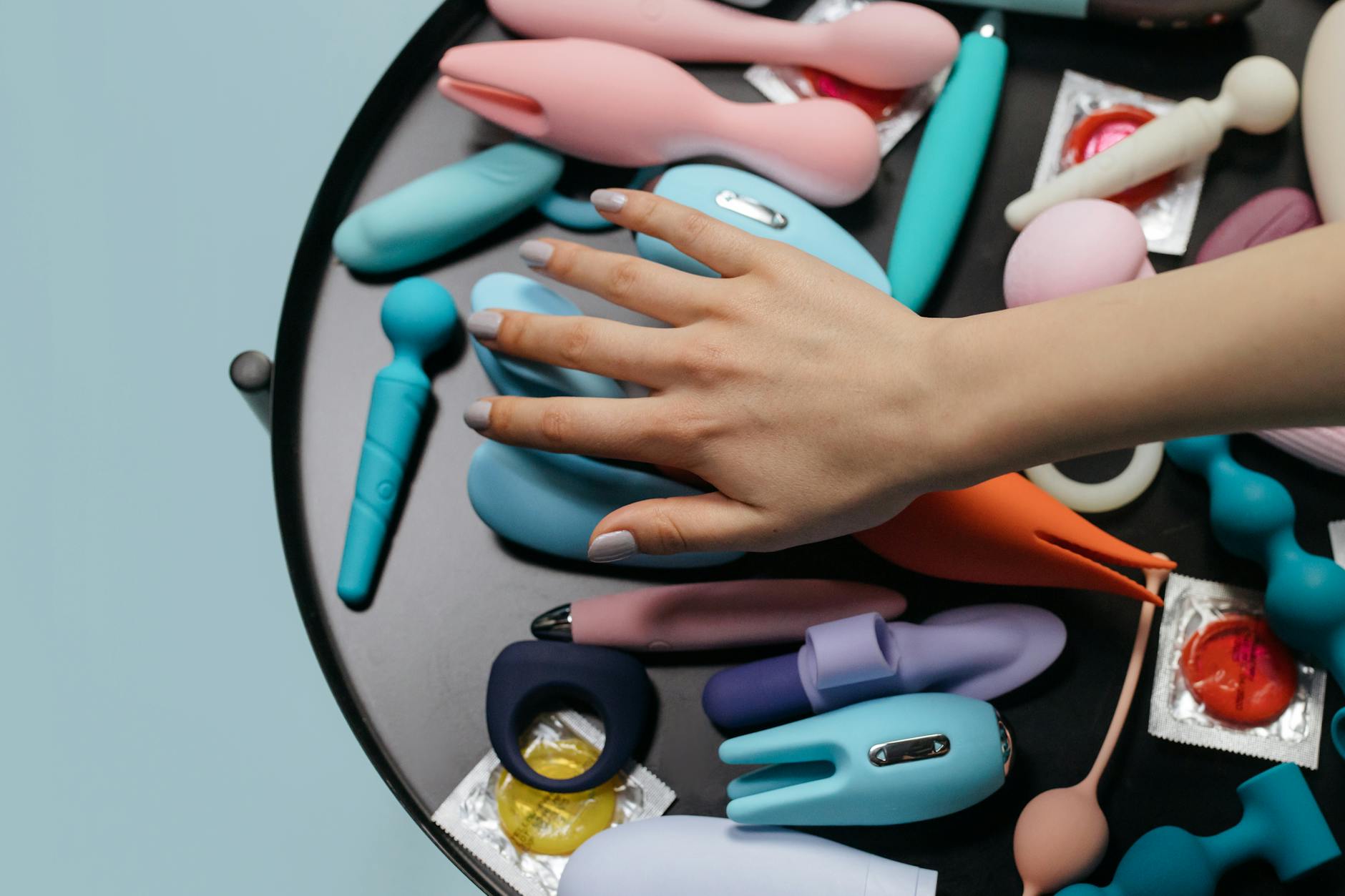
The practical piece is this: if you're used to quick arousal and now need fifteen or twenty or thirty minutes, trying to rush it doesn't work. Your body isn't cooperating because the conditions aren't right yet. Lemon vibrators help because they give you a tool to work with your actual timeline instead of against it.
The physiology of air-suction stimulation when arousal is slower
Lemon clitoral vibrators work differently than traditional vibrators. Instead of direct vibration, they use gentle suction and air-pulse technology that stimulates without requiring the same level of initial engorgement. This matters when arousal is slow because it means you don't have to wait for your clitoris to be fully engorged before sensation starts happening.
When arousal takes time, blood flow builds gradually. With a conventional vibrator, you might feel like nothing much is happening for the first ten minutes because the tissue hasn't engorged enough yet. With a lemon sucker design, sensation begins immediately, which actually helps trigger the cascade of arousal that was taking longer to start naturally. It's not forcing anything. It's inviting your body forward.
The suction also distributes sensation over a larger area of tissue rather than concentrating intense vibration on one point. This gentleness is crucial when you're trying to build arousal slowly. You're not shocking your system into response. You're coaxing it.
Creating the actual conditions for slow arousal to work
Timing matters more than you think. If you're trying to engage sexually thirty minutes before bed when you're exhausted, arousal will take even longer because your nervous system is already shutting down for the day. Same if you're stealing fifteen minutes between work and picking up kids. Your brain knows the safety window is closing.
When arousal naturally takes longer, you need to actually give it time. That sounds obvious until you're living it. Schedule intimacy when you have a real buffer. Not as a clinical thing, but as a practical acknowledgment that your body needs runway. Fifty minutes instead of twenty. A full night when you're not watching the clock.
Mental space is equally important. If you're carrying stress from a relationship conflict or work anxiety, your nervous system won't prioritize arousal until those threats feel resolved. This is why so many women find that communication with a partner actually changes the speed at which they can access arousal. When the relationship feels safer, everything else gets easier.
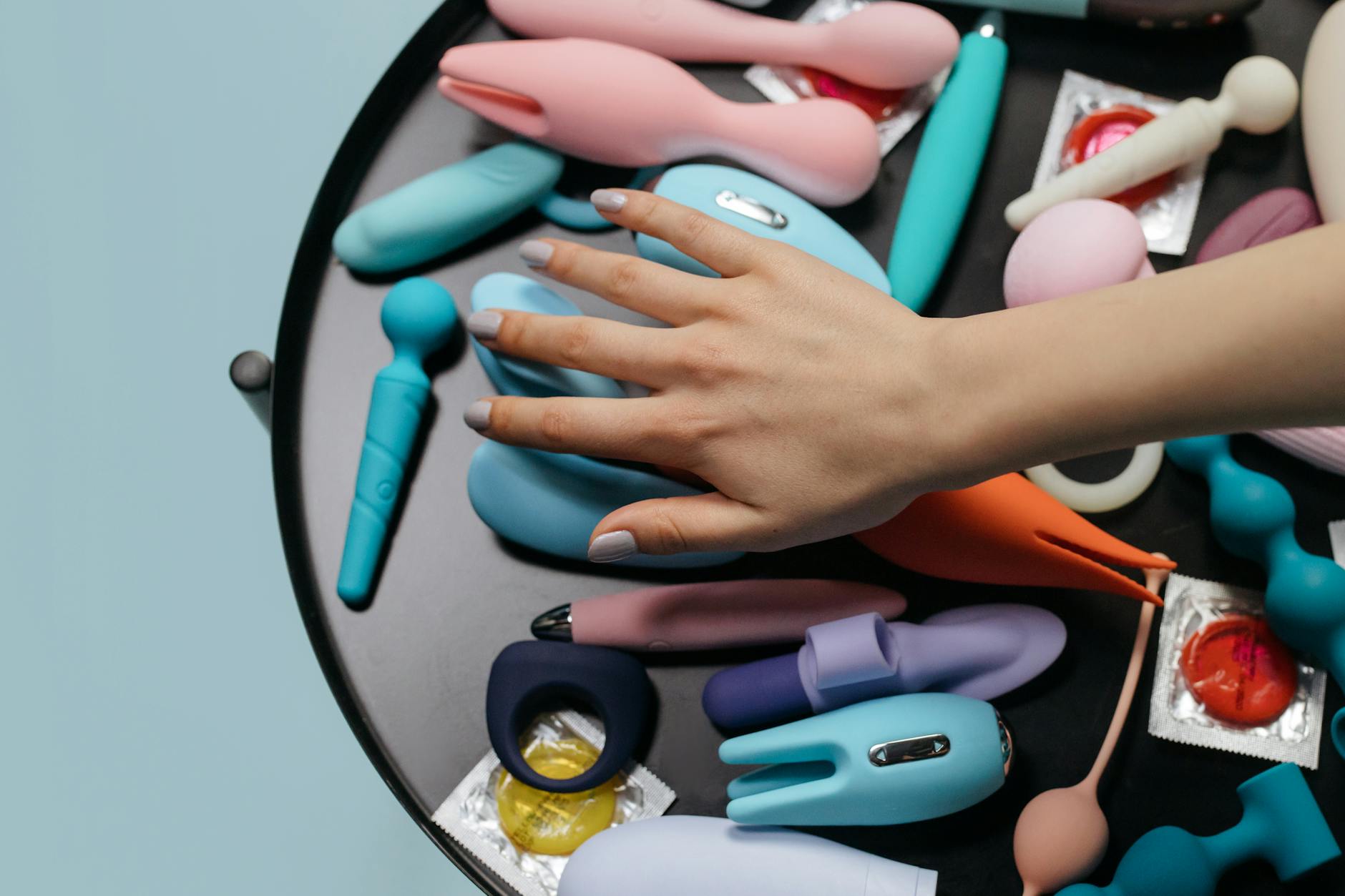
Photo by cottonbro studio on Pexels
How to actually use a lemon vibrator when arousal is slow
Start before you feel ready. This is the counterintuitive part. Don't wait until you're already aroused to introduce the vibrator. Introduce it earlier in the process, maybe even before you feel much sensation happening. The stimulation itself becomes part of what builds arousal rather than a response to arousal that's already there.
Begin on the lowest setting. The lemon suction technology is effective at low intensities. You don't need to jump to high settings while you're waiting for arousal to build. In fact, very low patterns often feel better when arousal is slow because they're not overwhelming a nervous system that's still in the process of downregulating.
Use it during partnered foreplay if that applies to you. If you're with a partner, this is not a replacement for their attention. It's an addition. They can be touching you, kissing you, while you or they hold the vibrator. The combination of multiple sensations actually helps speed arousal because it's engaging different neural pathways simultaneously.
Give yourself fifteen to twenty minutes minimum before expecting significant sensation. When arousal is slow, the first ten minutes might feel subtle. That's normal. You're building blood flow, activating nerves, sending signals to your brain that this is happening. Around minute twelve to fifteen, most people start feeling a real shift. Stay with it.
The role of lubrication when arousal is taking time
When arousal is slow, lubrication often is too. This is not a sign to push harder or get frustrated. Use a water-based lubricant from the beginning. Not when things feel uncomfortable, but proactively. This removes friction as a barrier and lets sensation be pure stimulation without any mechanical drag.
Lubrication also makes the suction feel different. It's slightly smoother, slightly more gliding. Some people find this helps arousal build faster because there's less physical resistance. You're removing anything that distracts from the actual pleasure signal.
When to pause and when to keep going
If arousal is slow and you've been at it for twenty minutes and nothing is shifting, pause. This isn't failure. Your nervous system might need something different today. Maybe your body needs more foreplay first. Maybe you need a conversation that you didn't realize was pending. Maybe you're just tired. Listen to that.
But also distinguish between "this doesn't feel like much" and "this isn't working." Slow arousal means subtle sensation for longer. You might not feel the building intensity you used to feel. You might feel a steady, gentle activation that only becomes obvious around minute eighteen. That's success. That's your slower timeline working.
How partners can actually help when arousal is slower
If you're in a relationship where one person's arousal is significantly slower than the other's, talk about it directly. Not during sex. Before. "My body takes longer now, and I'd like us to plan for that. Can we spend more time on foreplay? Can we start earlier?" Specificity helps because it removes guesswork.
Partners can learn to use the lemon vibrator on you while you're doing other things. They can incorporate it into foreplay in ways that feel connected rather than outsourced. The goal isn't to solve your slowness. It's to build pleasure together on a timeline that actually works for both of you.
Many couples find that when they stop fighting slow arousal and actually embrace it, intimacy deepens. The rushed, efficient sex you might have had before gets replaced with longer sessions where both people are more present.
FAQ: Your actual questions about slow arousal and lemon vibrators
How long should I wait before deciding it's not working today?
Give it at least twenty minutes if you've got the time. The first ten to fifteen minutes when arousal is slow can feel almost imperceptible. The shift often happens between minute fifteen and twenty. If you've genuinely given it time and your body isn't responding, pause without judgment. Your nervous system is telling you something needs to change about the conditions.
Can I use a lemon clitoral vibrator if I have very low desire right now?
This is different from slow arousal. If you have zero desire and no interest in pleasure, a vibrator won't fix that. But if you have some desire and you're willing to engage, the stimulation can help initiate arousal that your body isn't naturally generating quickly. The difference is willingness. If you're genuinely not interested, respect that.
Does slow arousal mean something is wrong with my relationship?
Not necessarily. Slow arousal can be about hormones, stress, aging, medication, or just your body's wiring. It can also be about relationship friction that you're not consciously aware of. If your arousal slowed down after a specific relationship event or conflict, that's worth exploring with a partner or therapist. If it's been slow for years regardless of who you're with, it's probably physiological.
Will a lemon vibrator speed up my arousal over time?
Regular stimulation does create neurological pathways that can make arousal somewhat easier to access. But also, you might find that slow arousal is just your body's preference, and that's completely fine. The vibrator makes slow arousal work better. It doesn't necessarily make it faster, and that distinction matters.
What if my partner gets impatient with slow arousal?
This is a relationship conversation, not a vibrator problem. If your partner is unwilling to spend time on your arousal or makes you feel broken for having a longer timeline, that's a compatibility or respect issue worth addressing. A good partner views slow arousal as an invitation to spend more time together, not an inconvenience.
Can I use a lemon vibrator solo if I have slow arousal?
Absolutely. Solo use actually gives you the most control over your timeline because there's no external pressure or self-consciousness. You can spend as much time as you want building arousal without worrying about anyone else's experience. Many people find their actual arousal timeline is much clearer when they're alone.
What actually changes when you stop fighting your timeline
I've worked with hundreds of couples navigating this shift, and the turning point is always the same. It's when someone stops treating slow arousal as a problem and starts treating it as information. Your body is telling you something. Maybe it's that you need more safety. Maybe it's that you need more time. Maybe it's that the conditions aren't right. Listen.
Lemon clitoral vibrators help because they work with slow arousal instead of trying to speed it up. They give you a tool that's effective across the entire timeline, not just when you're already highly aroused. Your pleasure matters. Your actual timeline matters. And you deserve tools and partners that respect both.
If you want to explore this with a partner, start a conversation about what you both actually need. If you want to understand your body better solo, try the vibrator without any performance pressure. Just notice what happens when you give arousal the time it needs.
Your slower timeline isn't a bug. It might be exactly what you needed to slow down, pay attention, and actually feel what's happening. That's worth protecting.