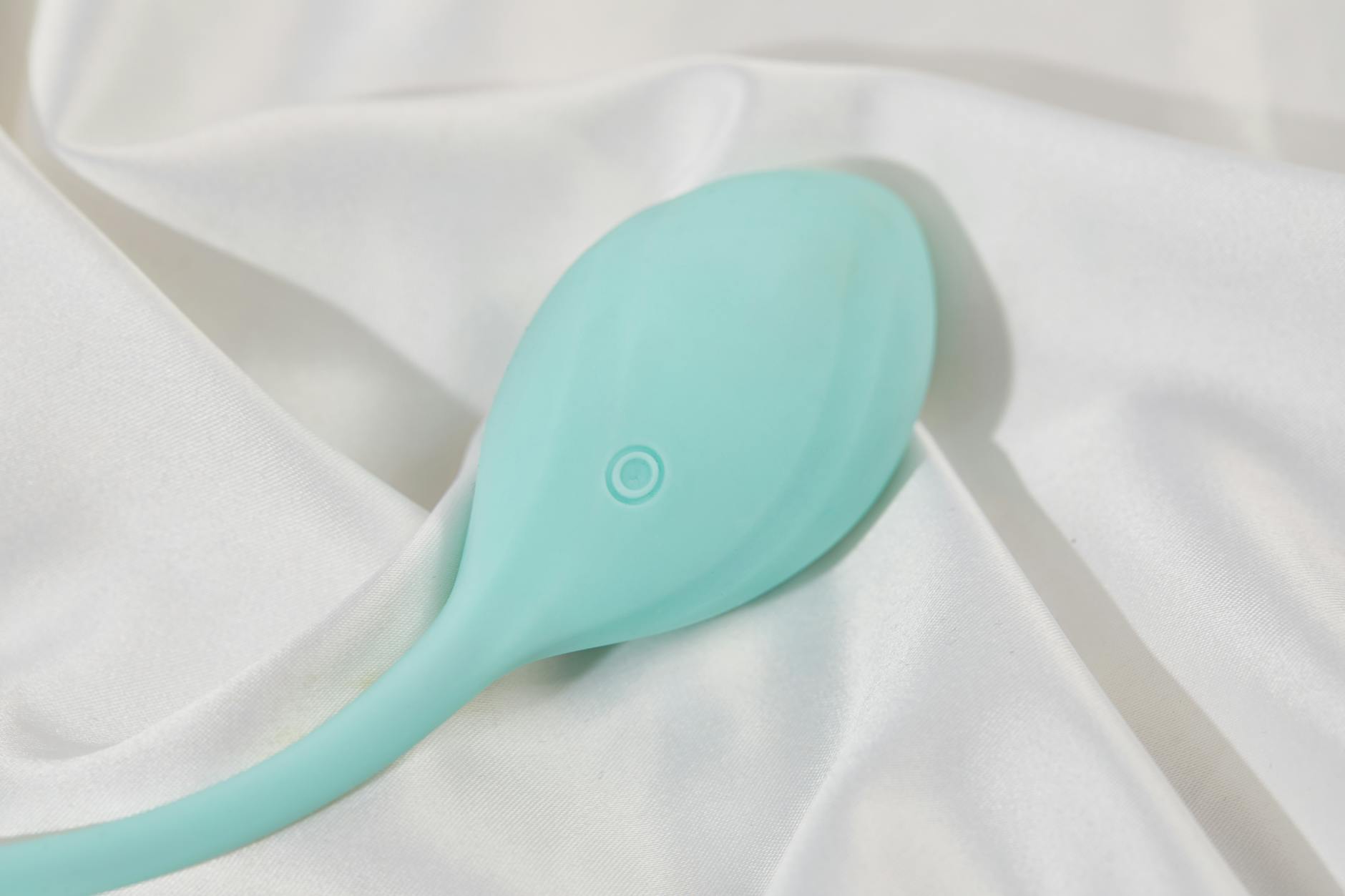
The numbness trap (and how to avoid it)
Let's be real: clitoral numbness after using a lemon vibrator is wildly common, and it's the fastest way to tank an otherwise perfect experience. You're riding high, feeling incredible, and then suddenly your body goes quiet. The sensation fades. It's frustrating, it's anticlimactic, and it's 100% preventable.
Here's what's happening. Air-pulse toys like the Lem work by creating rhythmic suction waves against the clitoral complex. They're incredibly effective because the suction stimulates thousands of nerve endings at once. But those same nerves can fatigue if they're bombarded for too long without a break. The solution isn't to stop using suction vibrators. It's to use them smarter.
Why lemon clitoral vibrators feel different than traditional vibrators
Most clitoral vibrators work through direct contact and mechanical vibration. You press them against your body, they shake, nerves fire. Simple.
Lemon vibrators, and other air-pulse toys, work entirely differently. Instead of vibration, they create a gentle seal around the clitoris and pulse that seal open and closed in quick succession. This mimics the sensation of oral sex without any of the logistics. The key difference: your skin isn't being shaken. It's being gently massaged by waves of pressure.
This matters because the clitoral structures most sensitive to this kind of stimulation can handle it longer without fatigue than they can handle direct mechanical vibration. But only if you're strategic about intensity levels and timing.
The Lem, like other lemon sucker vibrators, typically offers 12 intensity levels. Most people make the same mistake: they start low and gradually crank up as sensation builds. By the time they're approaching orgasm, they're maxed out at intensity 10 or 11. That's not the move.
The intensity strategy that works
Think of your pleasure response in three phases: warm-up, build, and approach to orgasm.
Phase One: Warm-Up (5-10 minutes). Start at intensity 2 or 3. This sounds low. It is. You're not trying to get off yet. You're establishing contact with the toy, letting your body recognize the sensation, and allowing blood flow to increase to the clitoral area. Many people skip this because they're eager, but your nervous system needs a runway. At this phase, you're essentially priming the pump.
Phase Two: Build (5-15 minutes). Move to intensity 4 through 7. This is where the real sensation happens. Your clitoris is engaged, your body is responding, and you're exploring. Don't jump through these levels quickly. Spend 2-3 minutes at each intensity. Notice what each one feels like. This deliberate pacing does two things: it keeps your nerves from fatiguing and it trains your body to distinguish between different sensations (which makes sex with partners feel more varied too).
Phase Three: Approach to Orgasm (3-8 minutes). Stay at intensity 5 or 6. Not higher. The instinct is to crank it up as you get closer to orgasm. Don't. Your body is already primed. The sensations at intensity 5 will feel ten times more intense now than they did five minutes ago because your arousal level has risen. If you jump to intensity 9 now, you're not reaching climax faster. You're numbing the very nerves you need to feel the orgasm itself.
How to pace yourself so numbness doesn't happen
The enemy of great orgasms with lemon vibrators is the "more intensity equals better orgasm" myth. It's not true. It's actually backwards.
If numbness starts creeping in (you notice sensation getting duller or more muted), you have three options:
1. Take a 2-3 minute break. Pause. Set the toy down. Let your clitoris rest. This isn't failure. This is maintenance. When you come back to it at a slightly lower intensity, the sensation will flood back.
2. Move the toy slightly. Instead of holding the seal in exactly the same spot, shift the toy millimeters in different directions. This stimulates slightly different nerve clusters, which resets fatigue in that specific area. You're not breaking contact with your clitoris. You're just nudging the stimulation pattern.
3. Lower the intensity by 1 or 2 levels. Sometimes numbness is your body's way of saying "ease up." A lemon clitoral vibrator at intensity 4 can feel more alive and responsive than the same toy at intensity 8, even if 8 seems like it should be "better."
Most people need a combination of all three strategies in a single session, especially if they're building toward an orgasm.
The science behind why this works
Your clitoris has roughly 8,000 nerve endings concentrated in a space the size of a pea. When you activate all of them at once with maximum intensity, two things happen simultaneously: massive pleasure and rapid neurological fatigue.
But when you use moderate intensity with strategic pauses and position shifts, you're activating different nerve clusters in sequence. This keeps the overall sensation fresh and intense while preventing any single cluster from fatiguing. It's the difference between sprinting and pacing yourself in a race.
This is also why <a href="/blog/why-clitoral-vibrators-feel-different-during-arousal">clitoral vibrators feel different during arousal</a>. Your nervous system is already activated, so the same intensity level that felt subtle during warm-up feels powerful during the approach phase. This is exactly why starting low and staying moderate at the end works so much better than the opposite approach.
Building toward orgasm without the cliff
One specific technique that prevents numbness entirely: the plateau method.
Instead of thinking of your session as "building intensity," think of it as building arousal while holding intensity relatively steady. Here's what that looks like:
Use your lemon vibrator at intensity 4. Spend 10-15 minutes here. Don't move to higher intensities. Instead, let your mind wander. Change positions. Adjust angle slightly. Breathe differently. Clench your pelvic floor briefly, then release. Think about whatever turns you on.
Your arousal will build dramatically while the toy stays exactly the same. And because the external intensity isn't escalating, your clitoris never gets fatigued. When you finally approach orgasm, you'll still feel everything. The orgasm itself will be deeper and more full-body because you've had time to actually feel each stage instead of numbing your way through it.
This also explains why <a href="/blog/lemon-vibrator-for-beginners-first-time-setup-guide">using a lemon vibrator as a beginner</a> requires patience. Your body needs time to learn how to respond to air-pulse stimulation. Rushing through intensity levels doesn't speed that learning up. It actually slows it down.
Partnered sessions: where numbness often happens
When you're using a lemon sucker vibrator with a partner, numbness creeps in for different reasons. You might be self-conscious about how long you're taking. Your partner might unintentionally use the same intensity for too long because they're focused on what they're doing. Or you might be reluctant to ask for a break because you don't want to interrupt the mood.
Communicate the strategy before you start. Tell your partner: "I'll tell you when to change intensity levels. If I don't say anything for 5 minutes, lower it by one level anyway." This removes the guesswork and makes them an active part of preventing numbness instead of accidentally causing it.
Also, the person using the toy should take a step back every 8-10 minutes and let you just feel the sensation without any additional input. No touching elsewhere, no conversation, just you and the toy. This resets fatigue in ways partnered activity sometimes can't.
When to upgrade your technique
Once you've mastered the intensity pacing and plateau method with a single lemon vibrator, there's a next step: combining tools.
Some people use a clitoral vibrator at a moderate intensity while using their hands or a partner's stimulation elsewhere. Others use the Lem at intensity 3 while inserting a different toy internally. This distributes stimulation across different nerve pathways, which means you can extend sessions dramatically without numbness.
But this requires that you've already spent weeks or months getting fluent with the basics. Start simple. Master the intensity strategy. Then experiment.
FAQ: Clitoral Numbness and Air-Pulse Vibrators
Why does my clitoris go numb halfway through using my lemon vibrator?
Your clitoral nerves are fatiguing from prolonged, high-intensity stimulation. Air-pulse toys like the Lem create intense sensation, and when you use them at max intensity for extended periods, the nerves stop firing as enthusiastically. The fix is immediate: lower the intensity by 2-3 levels, take a 3-minute break, or shift the toy's position slightly. Numbness is your body's signal to adjust, not a sign to push harder.
Is numbness a sign I've damaged something?
No. Clitoral numbness from vibrator use is temporary nerve fatigue, not injury. Your sensation will return within a few minutes to a few hours depending on how intense the session was. It's exactly like how your hand goes numb if you hold a heavy object for too long. Release the pressure, let blood flow return, and you're fine. Numbness becomes a problem only if it persists for days after use, which would warrant talking to a healthcare provider.
Can I use the same lemon clitoral vibrator every day without losing sensation?
Yes, if you're pacing intensity correctly. The key isn't how often you use the toy. It's how you use it during each session. Someone using their Lem daily at intensities 2-5 with frequent breaks will have zero desensitization. Someone using it twice a week at intensity 11 the whole time will develop numbness fast. Frequency matters less than strategy.
Should I switch between different intensity levels during a session?
Absolutely. In fact, that's the opposite of what most people do. Instead of climbing intensity levels and staying high, climb them slowly, hold moderate levels, and stay there. Think of intensity as a base layer (around 4-6 for most people) that you adjust slightly, not as a ladder you're trying to reach the top of.
Does the Lem vibrator cause more numbness than other clitoral vibrators?
No. The Lem and other air-pulse toys actually distribute pressure more evenly than traditional vibrators, which can reduce localized numbness. But because they feel so good, people tend to use them longer or at higher intensities, which creates numbness through overuse rather than design flaw. The toy isn't the problem. The technique is. Master the pacing strategy and the Lem becomes one of the most sustainable clitoral vibrators for extended sessions.
What's the difference between numbness and overstimulation?
Numbness is when sensation becomes duller or disappears. Overstimulation is when sensation becomes uncomfortable, almost too intense, sometimes almost painful. They're related but different. Numbness is a nerve fatigue issue solved by reducing intensity or taking a break. Overstimulation is a threshold issue solved by moving to a lower intensity immediately and staying there. If you're experiencing overstimulation, you've gone too high too fast. Back off and spend more time at moderate intensities.
The pleasure is in the pacing
Using a lemon vibrator without numbness isn't about suppressing intensity. It's about understanding that your clitoris is capable of extraordinary sensation over an extended period if you approach it strategically. The orgasms that come from patient, paced sessions with air-pulse toys are deeper and more full-body than the rushed versions.
Your body knows how to feel pleasure. You don't have to force it. You just have to give it time, variation, and respect for its own rhythms. That's the real secret.
If you're new to this, check out <a href="/blog/lemon-vibrator-for-beginners-first-time-setup-guide">our beginner's guide to lemon vibrators</a> for foundational setup tips. And remember: patience with pleasure isn't restraint. It's the opposite. It's giving yourself the space to feel everything.