The problem with forcing slow
Let's be real. Slow doesn't mean boring, and it definitely doesn't mean you're supposed to spend 45 minutes on foreplay before anything happens. That's not slow arousal. That's just inefficient. Real slow-build intimacy is about creating a rhythm that lets arousal compound naturally, without performance pressure or dead air. A lemon clitoral vibrator is almost designed for this because air-suction technology doesn't depend on constant intensity escalation to feel good. You can sustain a lower setting for as long as you want without numbing sensation or burning out.
I work with couples all the time who've internalized the myth that slow means passive. They think they're supposed to wait around while excitement builds on its own. What actually works is intentional, deliberate stimulation at a pace that gives your body time to respond without racing toward climax. That's completely different from waiting.
Why the lemon vibrator changes the equation
Traditional vibrators rely on vibration frequency to maintain arousal. The longer you use them at low settings, the more your nervous system adapts to the sensation. You end up chasing intensity just to feel the same thing. A lemon clitoral vibrator uses air-suction patterns instead. This means you can stay in a consistent rhythm for 20, 30, even 40 minutes without your tissue going numb, because the sensation isn't repetitive in the same way.
The suction also creates a different kind of stimulation than vibration. It's broader, less focused, and remarkably sustainable. This matters for slow-build arousal because you're not constantly adjusting to maintain sensation. You find a setting that feels right and you can just stay there while your whole body catches up.

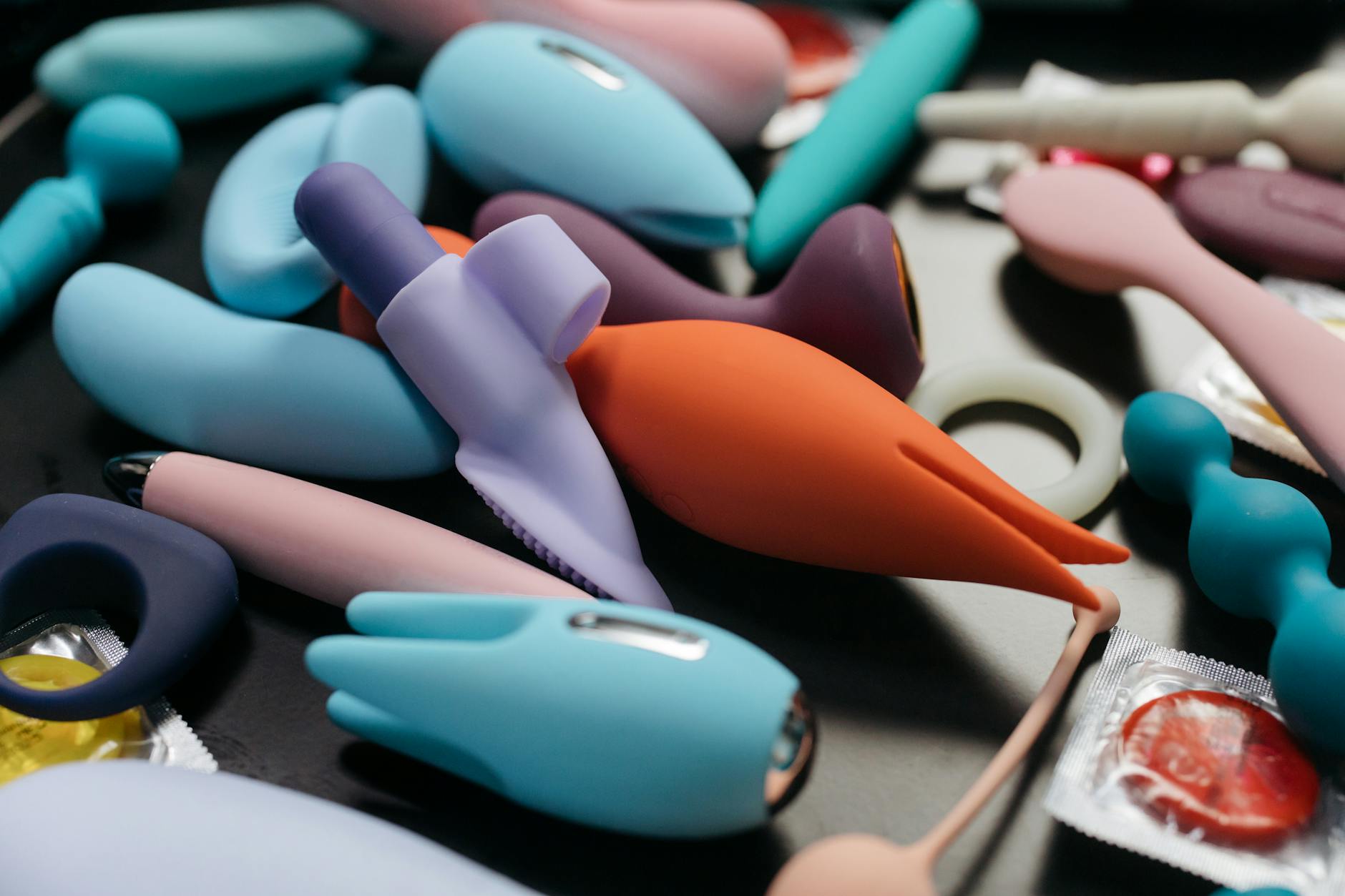
Photo by cottonbro studio on Pexels
The three-phase framework for extended sessions
Slow arousal works best when you structure it into phases. This isn't rigid. Think of it more like a map you can deviate from whenever you want.
Phase one: Exploration (10-15 minutes)
Start with the lemon vibrator on the lowest setting (pattern 1 or 2). Don't go straight to your clitoris. Use the time to wake up sensation in the whole vulva. The outer labia, the inner thighs, the areas around the clitoris that don't usually get direct attention. This phase isn't about building toward anything. It's about noticing what feels different on different parts of your body. Some areas are more sensitive. Some respond faster. You're gathering information and your nervous system is warming up.
If you're with a partner, this is when they might use their hands elsewhere while you're using the lemon vibrator. The point is that multiple sensations are happening at once, which activates your brain differently than focused clitoral stimulation alone.
Phase two: Presence (15-20 minutes)
Move to the clitoris now, but stay on a low-to-medium setting (patterns 2-4). This is where things start to feel more concentrated, but you're still nowhere near climax. Your job here is to stay present with whatever's happening. Breathe. Notice if you're tensing anywhere. The pelvic floor, the shoulders, the jaw. Slow arousal requires your whole body to be involved, not just your genitals focused on an endpoint.
Many people speed up here because they think arousal should feel a particular way. It shouldn't. It should just feel like something is happening. If that feels good, stay with it. If you want to shift position, do that. If you want to change patterns on the lemon vibrator, go for it. The point isn't to reach a predetermined endpoint. The point is to exist in a state where pleasure is accumulating slowly.
This is also the phase where partnered intimacy often kicks in. Your partner might be touching you elsewhere, or just being present. The combination of your own controlled stimulation plus their attention creates a different nervous system state than solo pleasure does.
Phase three: Building (10-15 minutes)
Now things can escalate, but not dramatically. Maybe you move up one or two patterns on the lemon vibrator. Maybe your breathing changes. Maybe you start to feel like something is building toward release. But you're not chasing it yet. You're just letting it happen as your body decides to let it happen.
This is where a lot of people panic because they think they've plateaued. If sensation feels like it's not changing, that's not because you're doing something wrong. That's your body integrating pleasure. Stay where you are for another 30 seconds. Then shift something. Change rhythm. Move the vibrator slightly. Change positions. Your body often needs a small variable to keep building.
The technical moves that sustain arousal
Here's what I tell people about maintaining pleasure across longer sessions without it feeling stagnant.
Change the pattern, not the intensity. The lemon vibrator has multiple suction patterns, not just strength levels. Swap between them every 3-5 minutes. Your nervous system notices the shift. It doesn't feel like you're doing more, just different.
Move the vibrator slightly. You don't have to relocate it entirely. Tiny adjustments matter. Half an inch to the left. A fraction more pressure. These micro-changes keep your nervous system engaged.
Breathe consciously. This sounds obvious, but most people forget. Slow, deep breathing during Phase One and Two keeps your heart rate from spiking too fast. It buys you time. When you want to escalate in Phase Three, breath becomes faster and sharper. Your body notices.
Involve your partner's rhythm. If you're with someone, ask them to match your breath or touch you in time with the vibrator's pattern. This creates synchronization that feels remarkably intimate. You're not working against each other. You're moving together.
Use penetration as a variable, not the main event. Some people assume slow arousal means extended penetration. It doesn't. Penetration is a variable you can introduce or remove to shift sensation. It's not a destination. The lemon clitoral vibrator stays the focus. Penetration is supporting cast.
Pacing for different body timelines
Your timeline isn't your partner's timeline, and that's not a problem you need to fix. It's information you need to use.
If your arousal is slower, the three-phase framework buys you time. You're not rushing to climax, so there's no pressure. You can genuinely stay in Phase One and Two for 20-30 minutes without feeling like something's wrong. Your partner can be doing something else entirely, or they can be present and engaged. Either way, you're moving at your speed.
If your partner's arousal is slower, the lemon vibrator means you're not sitting around waiting for them to catch up. You can go through your own phases while they're going through theirs. Then you can sync up when you want to. This removes the whole dynamic where one person feels rushed or the other feels like they're being rushed.
If one of you wants to climax and the other wants to stay in the building phase, that's fine. You can both get what you need in the same session. The lemon vibrator gives you the control to do that.
The mental part (it matters more than technique)
Slowness requires you to tolerate pleasure without immediately trying to reach climax. Most of us haven't learned that. We speed up because fast feels like progress. Slow feels like stalling.
Solve this by setting an intention before you start. Not "I will climax in 30 minutes." An intention like "I'm going to notice five different sensations tonight" or "I'm going to stay in rhythm with my breath for as long as I can." This gives your brain a different goal. You're not failing if you don't climax. You're succeeding if you stay present.
I also recommend removing climax as a metric. If your only measure of success is orgasm, slow arousal will feel pointless. If your measure of success is sustained pleasure, attention, or connection, slow arousal becomes exactly what you want.
When slow arousal doesn't feel good
If extended sessions feel boring or frustrating, you're probably trying to do something you don't actually want to do. Some people like quick, intense pleasure. That's not wrong. The lemon vibrator works brilliantly for that too. Slow build is one option, not a requirement.
That said, if you've never tried slow arousal, give it three full sessions before you decide it's not for you. Your body often needs practice to find the rhythm good. What feels flat the first time can feel deeply satisfying the third time, once your nervous system understands what you're doing.
If you've tried it three times and still hate it, you just don't like slow. Use the lemon clitoral vibrator at whatever pace feels natural. There's no virtue in slow for its own sake.
People also ask
How long should I actually spend on slow arousal?
There's no magic number. The framework I outlined is 35-50 minutes total, but that's if you want an extended session. You could do a shorter version in 20-25 minutes. You could stretch it to an hour. It depends entirely on what you have time for and what your body wants that day. The point isn't to hit a duration. The point is to not rush.
Can you use a lemon vibrator for slow arousal if you're solo?
Absolutely. Solo slow build is actually easier in some ways because there's zero performance pressure. You can stay in Phase One for as long as you want without worrying that someone else is getting bored. The three-phase structure works exactly the same solo as it does partnered. You're just the only one involved.
What if my partner and I have really different ideas about pacing?
Talk about it outside the bedroom first. Don't try to solve it in the moment. Ask them what they actually want. Do they want slow because they think they should want slow? Or because they genuinely like extended arousal? If it's the former, you might both be trying to do something neither of you actually enjoys. If it's the latter, the lemon vibrator gives you both enough control to move at your own pace while staying connected.
Does a lemon sucker actually work better than other vibrators for slow sessions?
Yes, because air-suction technology sustains sensation differently than traditional vibration. You're not fighting adaptation as much. That said, any tool you like using is better than a "better" tool you don't enjoy. If you already have a vibrator you love for slow arousal, keep using it. The lemon clitoral vibrator is just worth trying if you've only used standard vibrators before.
How do I know if I'm "doing it right" during slow arousal?
You're doing it right if pleasure feels present and your brain isn't wandering. You're doing it right if your body is responding without you forcing response. You're doing it right if you're breathing. You're doing it right if you feel like you could keep going without it becoming a chore. That's it. Those are the metrics.
Can you edge (get close to climax and pull back) during slow arousal sessions?
You can, but I wouldn't recommend it as a main strategy if you're new to slow arousal. Edging creates tension that pulls against the point of slow build, which is to let pleasure happen without striving. Once you're comfortable with sustained slower stimulation, you can play with edging. But start with just staying in the pleasure without pushing toward or away from climax.
The bigger picture
Slow arousal isn't about being better than fast arousal. It's about having options. Some days you want intensity and speed. Some days you want to spend time with pleasure without rushing toward an endpoint. A lemon clitoral vibrator works for both. The skill is knowing which one you actually want on any given day, and having the permission to choose it without guilt.
If you're building a shared intimate practice with a partner, learning slow arousal together often strengthens other parts of connection. You're not just learning a technique. You're learning to move at the same pace. You're learning to pay attention to each other's nervous system. You're learning that pleasure doesn't have to look a particular way to be real.
Start with one extended session and see what you notice. You might find that slow is exactly what you've been looking for. Or you might realize it's not your thing, and that's useful information too. Either way, the lemon vibrator gives you control over the pace. Use it.