The thing nobody tells you about this conversation
Most people assume bringing up vibrators means admitting something is wrong. It doesn't. What it actually means is that one of you has noticed the conversation isn't happening, and you're brave enough to start it. That's a relationship strength, not a weakness.
Here's what I see in my practice: couples who can talk about pleasure openly tend to be more resilient through other tough stuff. The skill of saying "I want this" or "I'm curious about trying something" transfers everywhere.
Why the conversation feels risky (it usually isn't)
There are three main fears lurking under the surface when people think about bringing up lemon vibrators or any clitoral vibrator with a partner.
Fear one: "They'll think I'm not satisfied." This is the biggest one. You're worried that suggesting a vibrator reads as "you're not enough." But here's the clinical reality. Clitoral vibrators work on a completely different mechanism than partnered sex. A lemon vibrator creates suction and rapid micro-movements that no hand or penis can replicate. Adding one doesn't replace your partner. It complements what's already there. That's not a statement about inadequacy. That's basic anatomy.
Fear two: "They'll think I'm looking outside the relationship." This one usually surfaces if there's been infidelity or trust issues before. If that's your history, you might need a slightly different conversation, and I'd actually recommend working with a couples therapist before introducing new elements. But in most relationships, a vibrator is about adding pleasure to what you share, not replacing it.
Fear three: "It'll make things weird." Fair. Some conversations do sit awkwardly at first. But awkwardness is just unfamiliarity. After you've said it once and the world hasn't ended, it stops feeling dangerous.
The setup: timing and environment
Don't bring this up during sex or immediately after.
Don't bring it up when you're stressed or rushing or one of you is half-listening. Choose a moment when you're both calm, fed, and have privacy to talk without interruption. For many couples, that's a Sunday afternoon, or during a walk, or in the car. Anywhere you can talk without feeling like the conversation is happening on a stage.
If you share a home with kids or roommates, that matters too. You want to feel secure that no one's going to walk in and overhear.
The environment sets the tone. If you're having this conversation in a hurried five minutes while one of you is checking email, it'll feel small and furtive. If you're sitting down, looking at each other, with actual time, it feels like what it actually is: a conversation about deepening your intimate life together.
Three scripts that actually work
Here are three ways to open this, depending on your relationship dynamic and how much ground you need to cover.
Script one: curious and direct. "I've been thinking about trying something new in bed, and I want to run it by you. I'm interested in trying a clitoral vibrator. Would you be open to exploring that together?" This works well if you're already comfortable talking about sex, and you want to be straightforward.
Script two: research-led. "I've been reading about how people use lemon vibrators and other clitoral toys, and I'm curious. A lot of couples say it actually brings them closer together because they end up talking more about what they want. Can we talk about whether that might be something for us?" This one lowers the temperature by framing it as information you've gathered, not a demand. It also lets your partner know you've thought about it.
Script three: slow burn. "I've been having a lot of thoughts about sex lately, and I want to make sure we're both getting what we need. I feel like there's some stuff we haven't talked about yet, and I'd like to change that. Would you be open to that conversation?" This is the gentler entry point. You're not leading with "vibrators." You're leading with "I want us to talk more." Once that door is open, the vibrator conversation is just one piece.
Pick whichever feels most natural in your mouth when you practice it.
What to expect and how to respond
Your partner might say yes right away. That's great. You can move on to the logistics section below.
More commonly, they'll have a reaction. Here are the main ones and how to handle them.
"I'm not sure about that." This is the most common response and it's actually fine. It's not a no. It's a maybe-not-right-now. You could say: "That's totally fair. I'm not saying we have to do this tomorrow. But I'd like to understand what makes you hesitant. Is it the vibrator itself, or the idea of changing what we're doing?" This opens a second conversation. Listen. Don't defend. The goal here is understanding, not convincing.
"Why, are you not happy with me?" This is the fear reaction. It deserves a direct answer. "I am happy with you. This isn't about you not being enough. It's about wanting to add something. It's similar to how we tried a new position last year, or went to that thing we'd never done before. This is just for pleasure." If they stay stuck here, it might be worth revisiting the research-led script later, or asking a couples counselor to help you have the conversation.
"Let's do it." Okay, jump to the next section. You've cleared the hurdle.
"I need time to think about it." Perfect. Don't push. Set a check-in date. "Let's talk about it again in a few days. No pressure either way. I just wanted to be honest about what I'm curious about." This shows respect and gives your partner permission to actually consider it instead of just reacting.
If they say no: what to do next
Sometimes your partner will genuinely not be interested. That's real and it happens.
You get to decide what that means for you. Some people are fine with that boundary. Some people feel like they need to explore their sexuality in ways their partner isn't comfortable with, and that's a bigger conversation about what you both need from the relationship. There's no universal right answer here.
But before you assume it's a hard no forever, it might be worth asking: "What would need to be different for you to feel open to it?" Sometimes the answer is "I need more time," or "I need to understand it better," or "I need us to feel closer first." Those are all solvable problems. Sometimes the answer is "I just don't want this," and you work from there.
The practical conversation: which toy, when, how
If they're on board, you get to talk specifics.
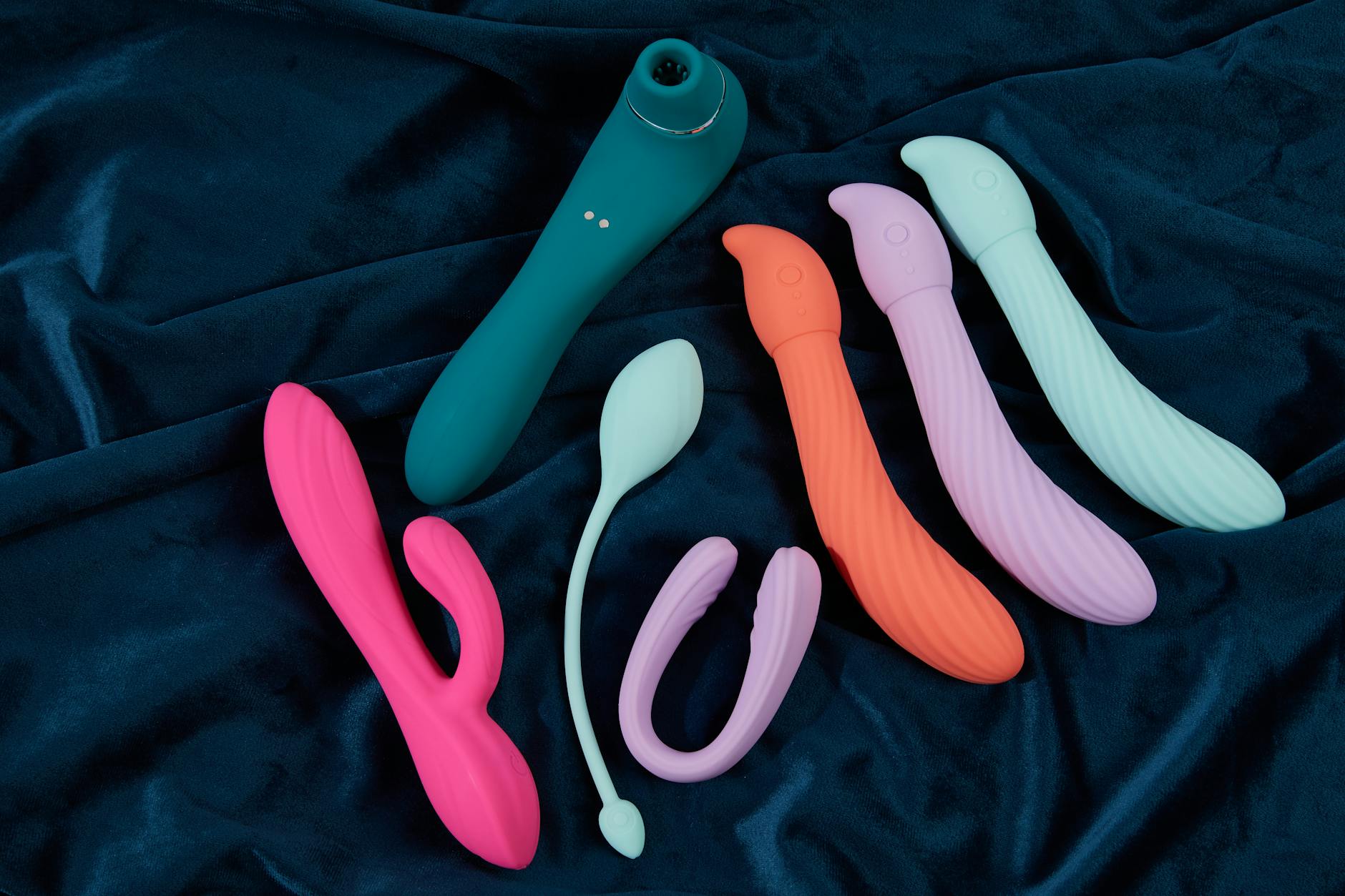
Which toy? If this is the first vibrator for both of you, the Lem is a solid choice. It's not intimidating. The suction design feels different and often more pleasurable than traditional vibrators. It's also discreet enough that it doesn't feel like bringing a hospital device into the bedroom. Alternatively, if you want something smaller or simpler, look at what fits your comfort level. You don't have to start with the fanciest lemon vibrator out there.
Logistics. Will you use it together? Will you use it sometimes when your partner isn't there? (Both are normal.) Will you store it openly or hidden? How will you introduce it into sex? These are practical questions and answering them together removes mystery and builds buy-in.
Managing speed bumps. Your partner might feel self-conscious the first time. They might worry they're doing it wrong, or wonder if they should be using it for you, or feel left out. All of this is normal. Talking about it beforehand helps. You might say: "I'll probably want to try it on my own first, and then we can experiment together. There's no performance aspect here. It's just about what feels good."
When to loop in a therapist
If your partner responds with serious defensiveness, if this touches on deeper trust issues, or if you've tried to have this conversation twice and it keeps derailing, it might be time to bring in a couples counselor. This isn't a failure. It's actually smart. A professional can help you both understand what's really underneath the resistance, and whether it's about the vibrator, or about something else in the relationship.
The after: integration and ongoing conversation
Once you've introduced a lemon vibrator or any clitoral vibrator into your shared intimate life, the conversation doesn't end. It evolves.
You might discover together that you actually both love it. You might find that you prefer using it alone, and your partner finds peace in that. You might realize that having this one honest conversation opened the door to talking about other things you'd been avoiding.
The real win isn't the vibrator. It's the fact that you've proven to each other that you can talk about desire and pleasure without shame. That skill is infinitely more valuable than any toy.
Common questions people ask
Q: Will introducing a vibrator make my partner jealous or insecure?
Possibly, but probably not if you frame it right and handle the conversation with care. Jealousy usually comes from feeling replaced or second-guessed, not from the vibrator itself. If you're emphasizing that this is about deepening what you share, not replacing them, most partners land in a better place. That said, some people have deep-seated stuff around performance or body image that a vibrator can touch off. That's their stuff to work through, but it helps if you're patient with it.
Q: Is it weird to use a lemon vibrator if we've never used toys before?
Not at all. Some couples skip straight to clitoral vibrators because they're straightforward and effective. There's no requirement to start with something "basic" first. A Lem or other lemon clitoral vibrator is a perfectly reasonable first toy.
Q: What if I want to use it but my partner doesn't?
You can still use it. Many people have solo sex toys and partnered sex toys. These aren't mutually exclusive. If your partner isn't interested in participating or being present, that's their boundary and you respect it. Using a vibrator alone is completely normal and healthy.
Q: How do I know if my partner is actually okay with it or just saying yes to make me happy?
Pay attention to their behavior, not just their words. If they seem genuinely engaged and curious when you talk about it, that's a good sign. If they seem checked out or reluctant, check in. You might say: "I'm sensing maybe this isn't actually something you're into. That's okay. I want you to be honest." Give them permission to back out.
Q: What if we try it and it doesn't work?
Sex toys aren't for everyone, and that's completely fine. If you try it and it doesn't feel good, or it feels awkward, or it just doesn't do anything for you, you get to say so. Some people need to try multiple times to warm up to it. Some people genuinely aren't interested. Both are okay. There's no failure here. You tried something together, you communicated about it, and you moved on. That's actually a win.
Q: Should I buy the vibrator first and then surprise them with it?
No. Surprises are fun for some things. This isn't one of them. Buy it together, or at least let them know you're ordering it. You want your partner to feel like they had agency in the decision.
The real point of all this
Introducing a clitoral vibrator like a Lem into your intimate life isn't about fixing something or proving something. It's about saying to your partner: "I want to keep exploring pleasure with you. I want to stay curious. I want us to keep communicating about what feels good."
That's a foundation for sustained intimacy. The vibrator is just the vehicle.
If you're nervous about having this conversation, that's normal. Do it anyway. The awkwardness is temporary. The conversation itself might change how you relate to each other. And if you need support working through bigger relationship stuff, that's what professionals are for. You don't have to figure this out alone.